Trusted by Central Illinois Fleets


Mobile washing for excavators, loaders, skid steers, dozers and graders. Hot water wash • Undercarriage detail • After-hours service.
Trusted by Central Illinois Fleets
The Problem
An excavator coming off a clay-heavy site has the undercarriage packed with material that hardens into the consistency of concrete. A skid steer that's been digging has cab, lift arms, and bucket all coated. A dozer push-blade comes back painted in petroleum-based road tar. A wheel loader's articulation joint catches every variety of mud the season can throw at it. None of it is cosmetic; all of it costs you final-drive life and inspection time.
The cost is operational and structural. Tracks and undercarriages packed with hardened clay throw off final-drive seals and accelerate sprocket wear — that's a five-figure repair you bought yourself by skipping ten-dollar washes. Hydraulic line connections coated in mud hide leaks during inspections, and a small leak goes catastrophic on the next big push. DEF crystallization at the cap and lines hides corrosion. And nobody wants to climb under equipment that hasn't been washed in a month.
Tracks and undercarriages packed with hardened clay throw off final-drive seals and accelerate sprocket wear — that’s a five-figure repair you bought yourself by skipping ten-dollar washes.
Wash bays don't take a 30-ton excavator. Most contractor yards don't have the wash pad, the runoff handling, or the overhead access. We come to your yard with mobile equipment that handles heavy iron — hot water at the right pressure for caked clay, the right care around hydraulic lines and hose seals. Central IL contractors store equipment at home yards between jobs — we work that window.
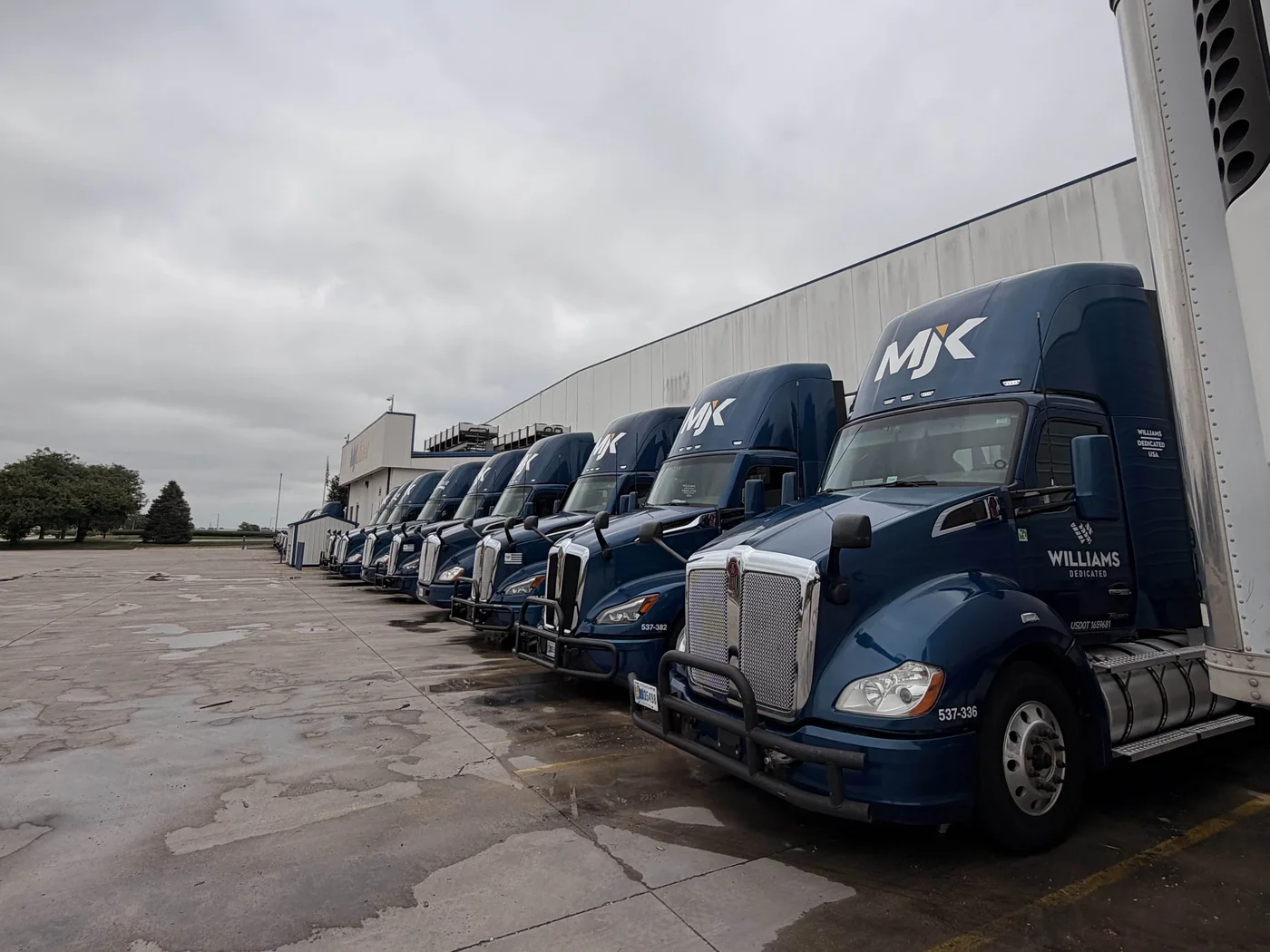
Full-Fleet Contracts
Whole fleets on a weekly or biweekly schedule — trailers, tractors, and box trucks washed after hours so every unit rolls out clean by morning.
See fleet contractsOur Approach
We bring a hot water wash system to your yard — high-pressure heat at the wand paired with clay-cutter and degreaser pre-soaks for the residue mix you actually have. Heat softens hardened clay before pressure tries to lift it; cold water just bounces off. Our trucks carry their own water and reclaim equipment, so the runoff goes home with us.
We work between jobs. Heavy equipment runs full days during construction season — we schedule around your dispatch and crew movement. Same crew, same yard, same quality — every visit. Crews learn which units have known leak points, which have sensitive electronics under access panels, and which need extra dwell on undercarriages.
For heavy equipment, attention goes to the parts that age fastest under residue: undercarriages, tracks, sprockets, final-drive housings, articulation joints, hydraulic line connections, DEF caps and lines, cab access points. We don't blast directly into hydraulic seals, fittings, or sensors — that's how you turn a wash into a repair. Fully insured, COI on request.
Tracked excavators, mini-excavators, long-reach units. Undercarriage and track frame, boom and stick, cab, hydraulic line bundles. Heaviest packed-clay removal of any heavy-iron category.
Articulated wheel loaders, compact wheel loaders. Articulation joint, bucket, ROPS cab, frame. Detail dwell on the joint area where mud and grease accumulate worst.
Track and wheel skid steers, attachments. Cab, lift arms, attachment plate, undercarriage or wheels. Quick-cycle equipment, often the dirtiest single units in a yard.
Crawler dozers and motor graders. Push blade, ripper, ROPS, undercarriage. Petroleum-based road tar removal on grader blades, packed-clay removal on dozer tracks.
Compactors, articulated dump trucks, telehandlers, cold planers, milling machines. Same hot water system, technique adjusted for the residue mix on each piece.
Yes — that is the work most contractor yards need most. Hot water and clay-cutter chemistry soften hardened undercarriage clay before pressure lifts it. Tracks, sprockets, final-drive housings, and articulation joints all benefit from regular washing — skipping this work is what causes premature final-drive seal failure.
We do not blast directly into hydraulic seals, fittings, or sensors. Crew technique around boom hardware, hydraulic line bundles, and quick-disconnects is distance-controlled. Water in the wrong place is how you turn a wash into a hydraulic-line repair the following week. We have already learned the lesson; your equipment does not have to.
Yes. Mobile service is the only way most contractor yards can wash 30-ton excavators, graders, and dozers — bay washes do not have the access or the runoff handling. Our trucks carry their own water, reclaim equipment, and the right pressure setup for heavy iron. We work between jobs when equipment is at the home yard.
A routine wash covers cab, boom, frame, and a basic undercarriage rinse. An undercarriage detail is a multi-step process with longer chemical dwell on packed clay, careful pressure on tracks and sprockets, and follow-up rinse — significantly more time per unit. End-of-season storage prep typically gets the detail treatment; mid-season visits are routine.
Monthly is typical for active construction-season fleets, with a deeper end-of-season detail before storage. Skipping the monthly cycle saves nothing — the cost shows up later as accelerated final-drive wear, hidden hydraulic leaks, and DEF crystallization that hides corrosion. Recurring contracts price the cycle predictably.
Across Central Illinois
Don't see your city? Call (309) 322-9599 — we likely cover your area.
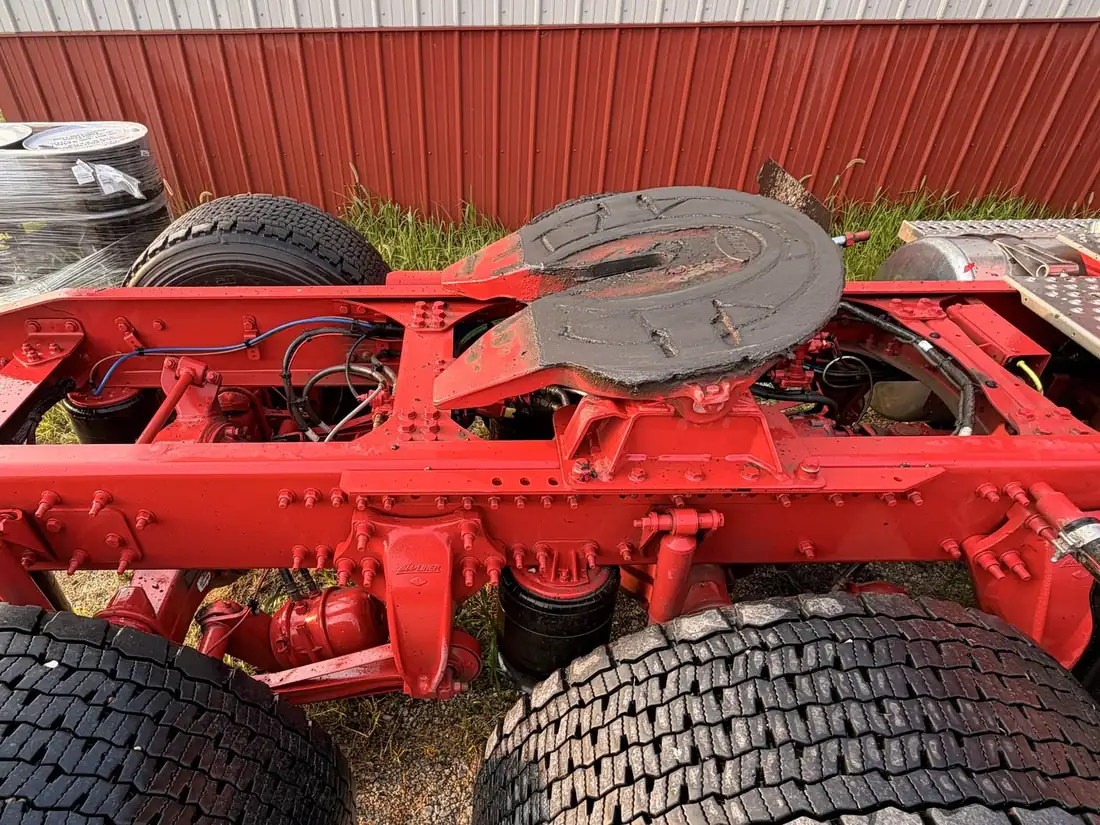
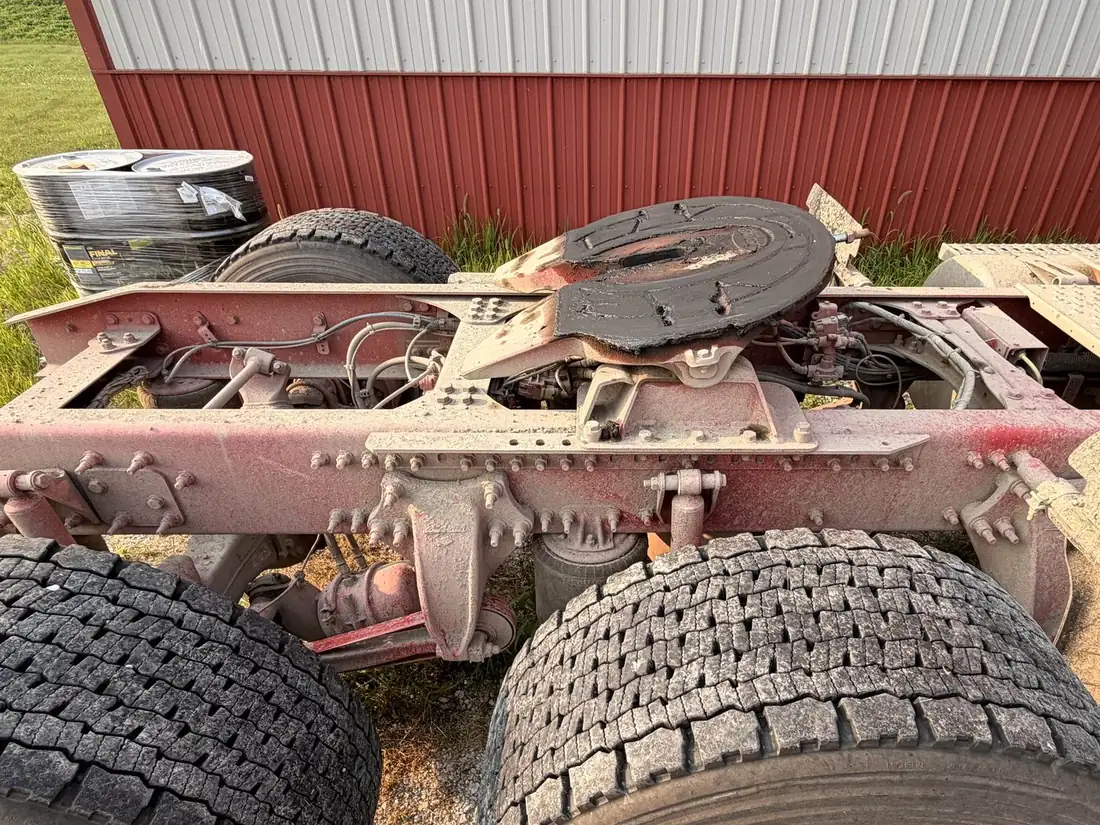
Undercarriage — Full Deep Clean
We'll wash 1-2 of your dirtiest heavy iron pieces for free — undercarriages back to bare metal. See it before you commit.
One demo is all it takes. We bring our hot water wash system to your yard, clean your worst equipment, and let the results speak for themselves. No cost. No commitment. No catch.
Cam Panek — Office Manager
Jaylon Walden — Service Manager
Kelan Taylor — Sales Manager
We respond within 2 business hours.