Trusted by Central Illinois Fleets


Mobile washing for dump trucks, flatbeds, lowboys, and roll-offs. Hot water wash • After-hours service • On-site at your yard.
Trusted by Central Illinois Fleets
The Problem
Dried clay caked into wheel wells. Asphalt tar streaked across decks and beds. Hydraulic oil running from rotators down the frame rail. Rebar dust ground into the flatbed coating. None of it comes off with a quick rinse, and none of it stops accumulating during a Central Illinois construction season that runs heavy from April through November.
The cost shows up in three places. DOT inspectors flag illegible plates and lights — that's a roadside violation in Illinois every time. Resale takes a hit when buyers can't tell whether the rust under the mud is cosmetic or structural. And mechanics waste an hour just locating leaks under the grime before the actual repair starts. Clean trucks aren't vanity — they're the only way to read what your equipment is actually doing.
DOT inspectors flag illegible plates and lights — that’s a roadside violation in Illinois every time.
Most generic washes won't take on a construction fleet. Heavy clay, baked asphalt, hydraulic film — the residue mix needs heat, dwell time, and crews willing to work around hardware most truck washes don't see. We work this fleet type often enough to know which compounds peel off with hot water alone and which need a degreaser pre-soak. Skipping the pre-soak on a tar-streaked deck is how you spend forty minutes per truck instead of fifteen.
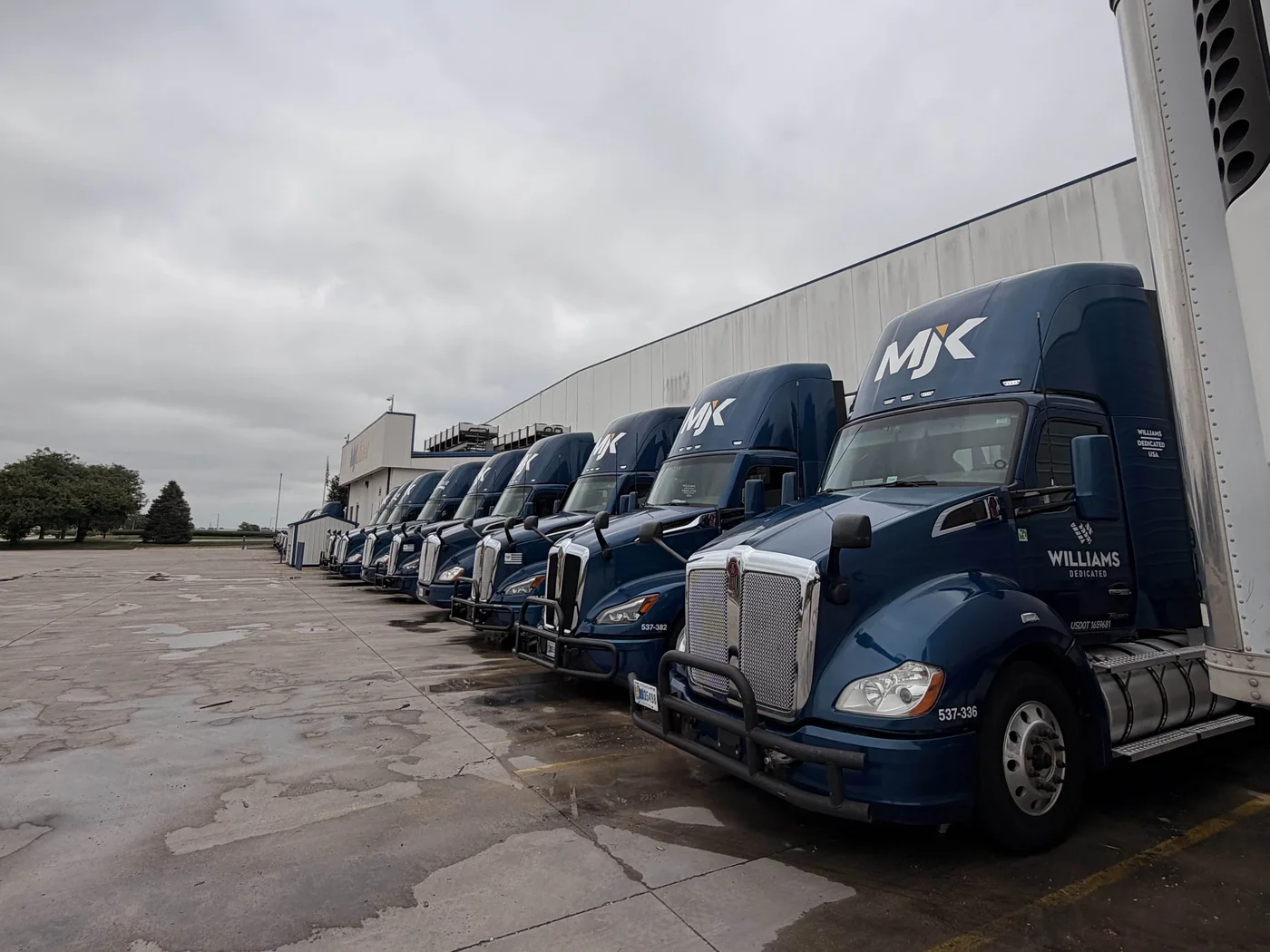
Full-Fleet Contracts
Whole fleets on a weekly or biweekly schedule — trailers, tractors, and box trucks washed after hours so every unit rolls out clean by morning.
See fleet contractsOur Approach
We bring a hot water wash system to your yard — high-pressure heat at the wand paired with degreasers chosen for petroleum-based residue. Heat is the difference between moving asphalt around and lifting it off. Cold water at the same pressure just smears tar deeper into the deck pattern. Our trucks carry their own water and reclaim equipment. You get a clean fleet, we leave with the runoff.
We work after hours. Construction equipment is on a job from sunup to sundown during the season. We schedule around your dispatch board, not the other way around. Same crew, same route, same quality — every visit. Crews learn your yard layout, your priority units (usually dumps first, then service trucks, then specialty), and your inspection cycles within the first two visits.
For construction fleets, attention goes where mud and oil cake worst: dump beds and tailgates, flatbed decks and stake pockets, lowboy ramps and gooseneck connections, end-dump cylinders and seal areas. We don't blast directly into hydraulic seals, sensors, or pneumatic fittings — water in the wrong place creates next week's problem. We're fully insured and carry COI on request for any general contractor or job-site operator who asks.
Beds, tailgates, fender wells, undercarriages. Removes baked-in clay, road tar, and gravel dust before it accelerates corrosion under the bed liner. Inspection-ready DOT lighting and plate visibility.
Cylinder cups, frame rails, seal areas, gate hardware. Detail-focused around hydraulics so we don't drive water past seals. Pre-DOT inspection cleanups and end-of-season storage prep.
Deck surfaces, stake pockets, winches, ramps, gooseneck connections. Restores deck visibility so load tie-down points are inspectable and brake lines aren't hidden under tar streaks.
Hook lifts, container guides, frame, hydraulic cylinders. Removes mixed debris and aggregate dust from contact points where wear is worst. Brings rusted rails back to readable condition.
Mechanic trucks, fuel and lube trucks, bucket trucks, recovery rigs. Booms, outriggers, control panels. Careful detail work around precision hardware — no direct blast into hydraulic seals or sensors.
Yes. Hot water at the wand softens baked clay and asphalt residue; degreaser pre-soak handles petroleum-based residue. Cold-water washes smear tar deeper into the deck pattern — ours lifts it. Construction fleets are our regular work; we know the residue mix and price accordingly.
We do not blast directly into hydraulic seals, fittings, or sensors. Crew technique on dump cylinders, end-dump seal areas, lowboy ramps, and bucket-truck control panels is deliberately distance-controlled. Water in the wrong place creates next week’s repair, and we have already learned the lesson on someone else’s equipment.
Yes. Our crew works through medium and large fleets in a single overnight visit on a documented route. Twenty-five units typically takes one evening; larger fleets get scheduled across multiple visits. Contract customers get priority during peak construction weeks and consistent crews who know your yard layout.
Yes. We are fully insured and carry both general liability and workers’ compensation. COI naming the general contractor or job-site operator as additional insured is available on request, typically within one business day. Many of our recurring customers require this for site access; we treat it as standard.
Pricing is quoted by fleet size, equipment mix, and visit frequency. Dump trucks, end-dumps, lowboys, roll-offs, and service trucks all take different time per unit. Recurring contract pricing is consistently lower per-truck than one-time deep cleans because the residue stays manageable. A free demo on one or two of your dirtiest units gets you a real number.
Across Central Illinois
Don't see your city? Call (309) 322-9599 — we likely cover your area.
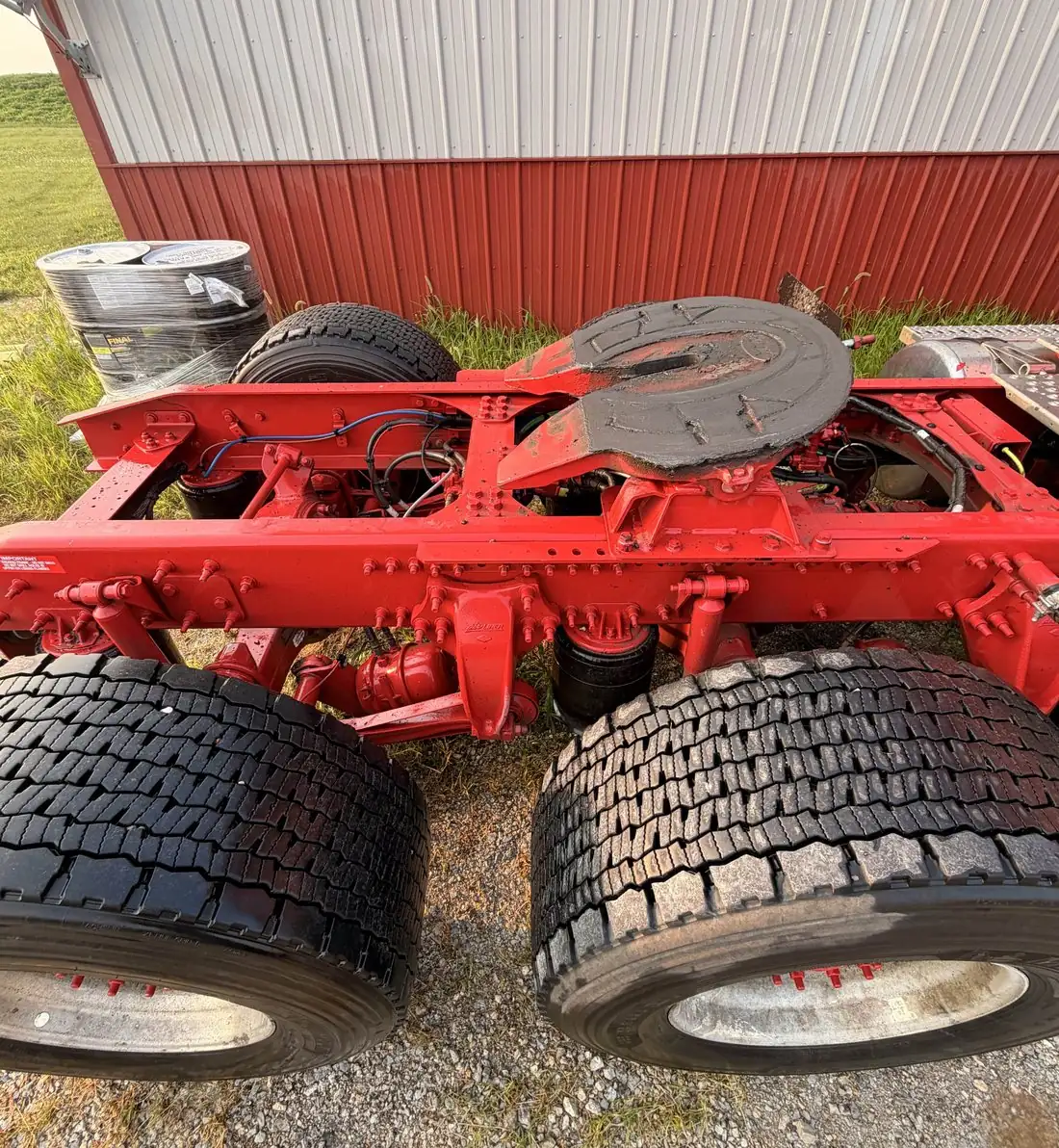
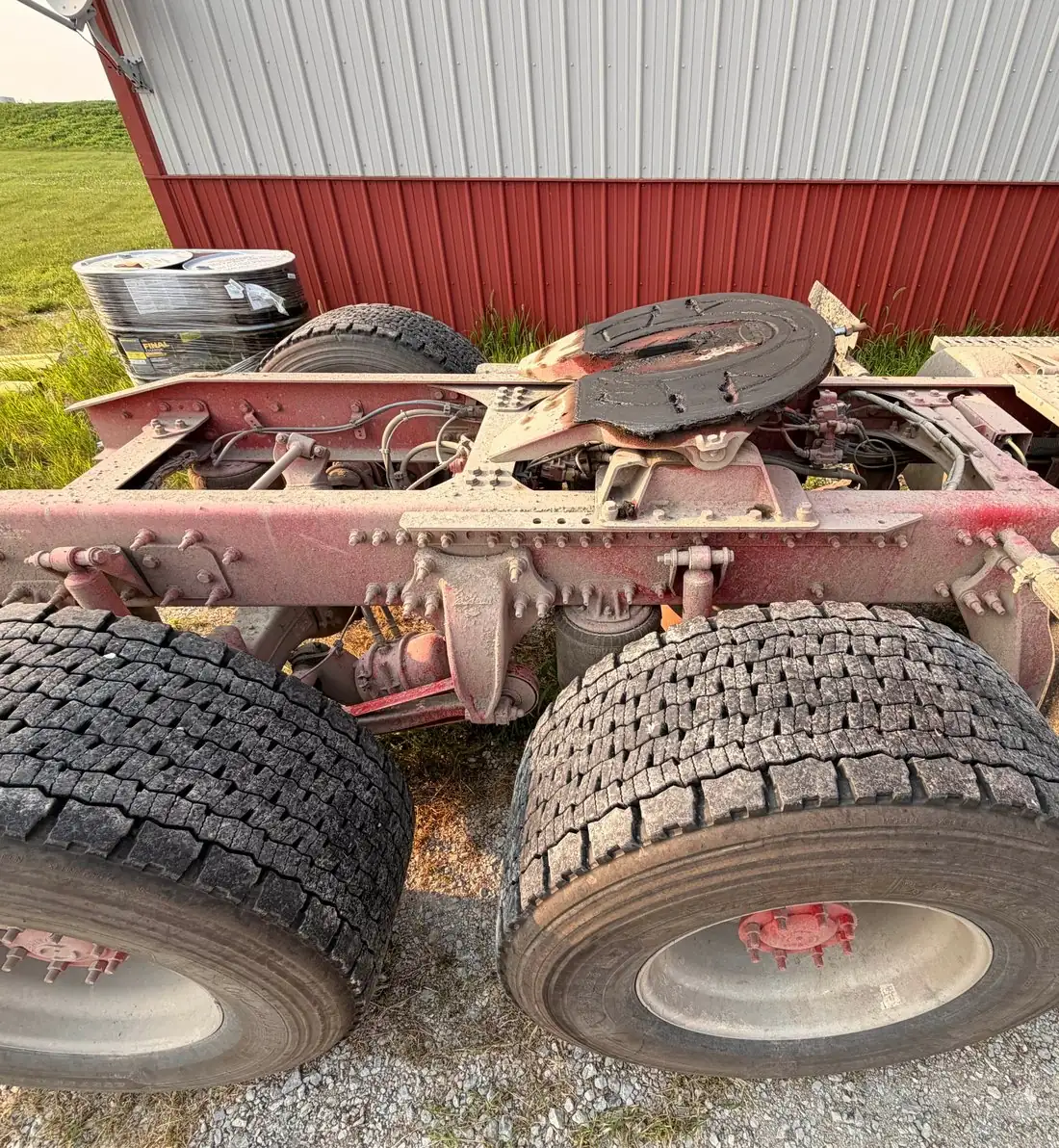
Peterbilt Chassis — Frame & Fifth-Wheel Degrease
We'll wash 1-2 of your dirtiest construction trucks for free. See the quality before you commit.
One demo is all it takes. We bring our hot water wash system to your yard, clean your worst trucks, and let the results speak for themselves. No cost. No commitment. No catch.
Cam Panek — Office Manager
Jaylon Walden — Service Manager
Kelan Taylor — Sales Manager
We respond within 2 business hours.