Trusted by Central Illinois Fleets



Mobile fleet washing for grain hoppers, ag haulers, spray rigs and livestock trailers. Hot water wash • After-hours service • On-site at your yard.
Trusted by Central Illinois Fleets
The Problem
Harvest mud bakes into the undercarriage. Grain dust packs into every seam — hopper hatches, rear gates, ladder rungs. Static cling pulls fines into corners no pressure washer hits without the right angle. By the time you notice the buildup, it's already two seasons deep, holding moisture, hiding rust, and slowing your inspection turnaround.
Generic truck washes treat every fleet the same — soap, rinse, drive on. That works for box trucks. It does not work for grain hoppers running 14-hour days through wet fields and dry elevators. The residue that builds on a feed hauler — corn syrup, molasses, livestock waste, dust mixed with diesel film — bonds on contact and laughs at cold-water rinses. You need heat, technique, and a crew that has cleaned this exact equipment before.
The residue that builds on a feed hauler — corn syrup, molasses, livestock waste, dust mixed with diesel film — bonds on contact and laughs at cold-water rinses.
And the cost of skipping it isn't cosmetic. Dust-packed seams trap moisture, accelerate rust on hopper joints, and obscure inspection-critical surfaces. DOT inspectors flag illegible numbers and grimy reflectors. Some elevators dock on visibly dirty equipment. A wash isn't optional maintenance — it's how you protect resale value, pass roadside inspections without a write-up, and keep your trucks earning instead of sidelined for cleanup the morning of an audit.
Our Approach
We bring a hot water wash system to your yard — high-pressure heat at the wand, paired with degreasers chosen for organic grain and ag residue. Heat is the difference. Cold water moves dirt around. Hot water dissolves the binding agents — molasses, syrup, manure proteins, dust mixed with diesel film — so the next pass actually lifts it. Our trucks carry their own water and reclaim equipment. You get a clean fleet, we leave with the runoff.
We work after hours. Evenings, weekends, between shifts — whenever your yard is clear and your trucks are parked. No driver downtime, no schedule juggling, no waiting in line at a wand bay forty miles from home. The crew arrives, sets up, and gets through your fleet on a documented schedule. Same crew, same route, same quality — every visit.
For grain and ag fleets, attention goes where it matters: hopper bottoms and discharge gates where residue piles up, ladder rungs and grab handles for safety inspection, undercarriages caked with field mud, spray rig booms that need detail without driving water into hydraulic seals. We're fully insured and carry COI on request for any yard that asks. Wastewater is captured and disposed of in line with EPA guidance. No surprises. No liability gaps.
Hopper bottoms, discharge gates, top hatches, ladder rungs — the seams where dust packs in and harvest residue cakes on. We work the spots most washes skip because they take time and the right wand angle. Trucks come out ready for the next elevator pull.
Field service rigs, mechanic trucks, fuel and lube trucks. Restores brand visibility and DOT-compliant lighting after a hard week in the field. Boom hardware, side compartments, and tool boxes get the same attention as the cab and hood.
Self-propelled sprayers and pull-behind units. Detail-focused work around boom hardware, nozzles, and tank exteriors — without forcing water into hydraulic seals or sensitive electronics. Pre-season prep, mid-season residue removal, post-season storage cleanups.
Exterior wash for trailers presenting at sale barns, farm yards, and processing facilities. Removes road film, manure splatter, and weather streaks. We don't sanitize interiors — that's a USDA-track service — but the exterior gets the full hot-water treatment.
Tank exterior, frame, and undercarriage cleaning between fills. Restores valve visibility and DOT placard legibility. We work around connection points carefully and never blast directly into fittings or relief valves.
On the yard, after hours
Hot water on the hopper bottoms, discharge gates and ladder rungs where grain dust packs in. This is the same program we run on every grain unit under a recurring contract — no drive to a wand bay, no driver time.
Weekly is typical for active-harvest fleets, with a deeper post-season wash once the run ends. Dust packs into hopper seams faster than most operators realize, and waiting until off-season often means scrubbing what hot water alone could have lifted in week one. Recurring contracts cover this rhythm without a separate scheduling conversation each cycle.
Yes. Hot water at the wand softens cured residue before pressure lifts it — the chemistry pairing for organic ag and feed buildup is what most generic washes lack. Heavy buildup that has been baking for two seasons usually requires a one-time deep clean with longer dwell times, then routine washing keeps it from returning.
Yes. Spray rigs are detail work — we keep direct pressure off hydraulic seals, sensors, and electronic components, and we pay close attention to nozzle and boom hardware. The wash technique adjusts when we move from a hopper to a sprayer; the crew knows the difference and prices accordingly.
No. We control wand distance and pressure for the surface we are working on. Painted hoppers and applied decals are not a problem with the right technique. The risk on most generic washes is acid pre-soak chemistry that hazes paint or lifts decal edges — we do not use that approach on grain fleets.
Pricing is quoted by fleet size, equipment mix, and visit frequency. We do not publish a flat per-truck rate because grain hoppers, ag service trucks, spray rigs, and livestock trailers each take different time. A free demo wash covers one or two of your dirtiest units so you see quality and crew before committing to a contract conversation.
Across Central Illinois
Don't see your city? Call (309) 322-9599 — we likely cover your area.
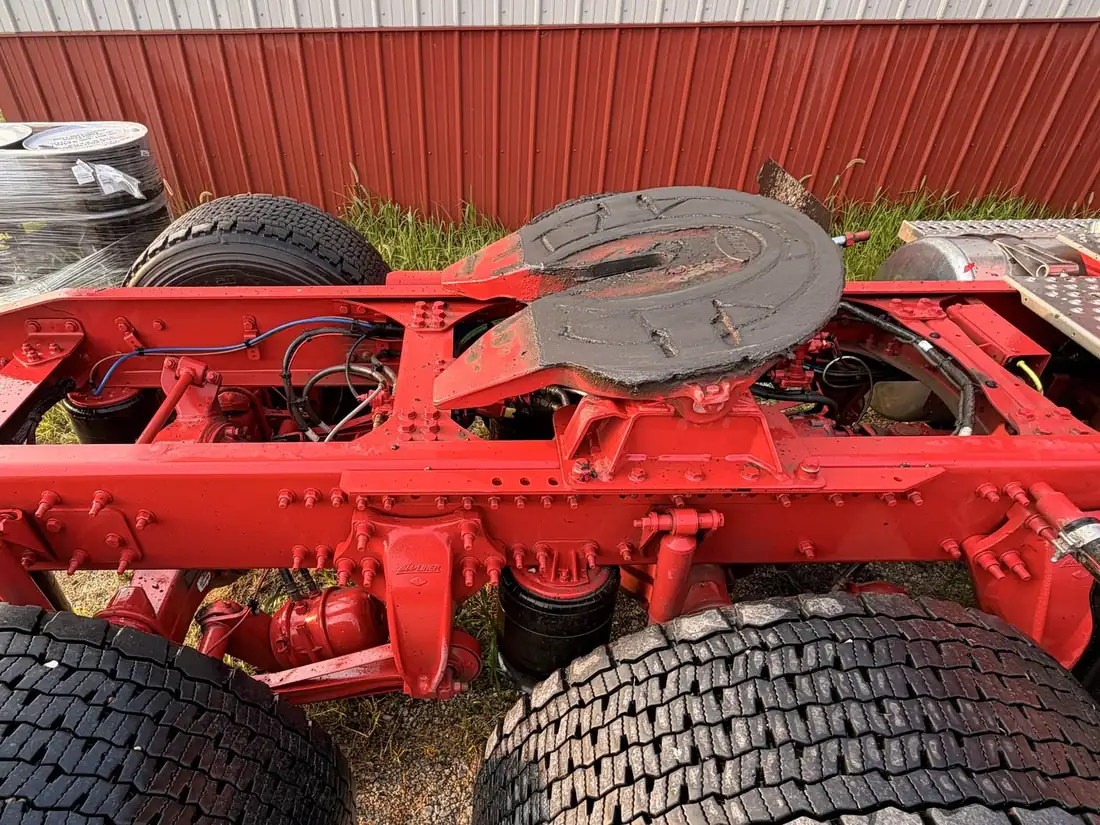
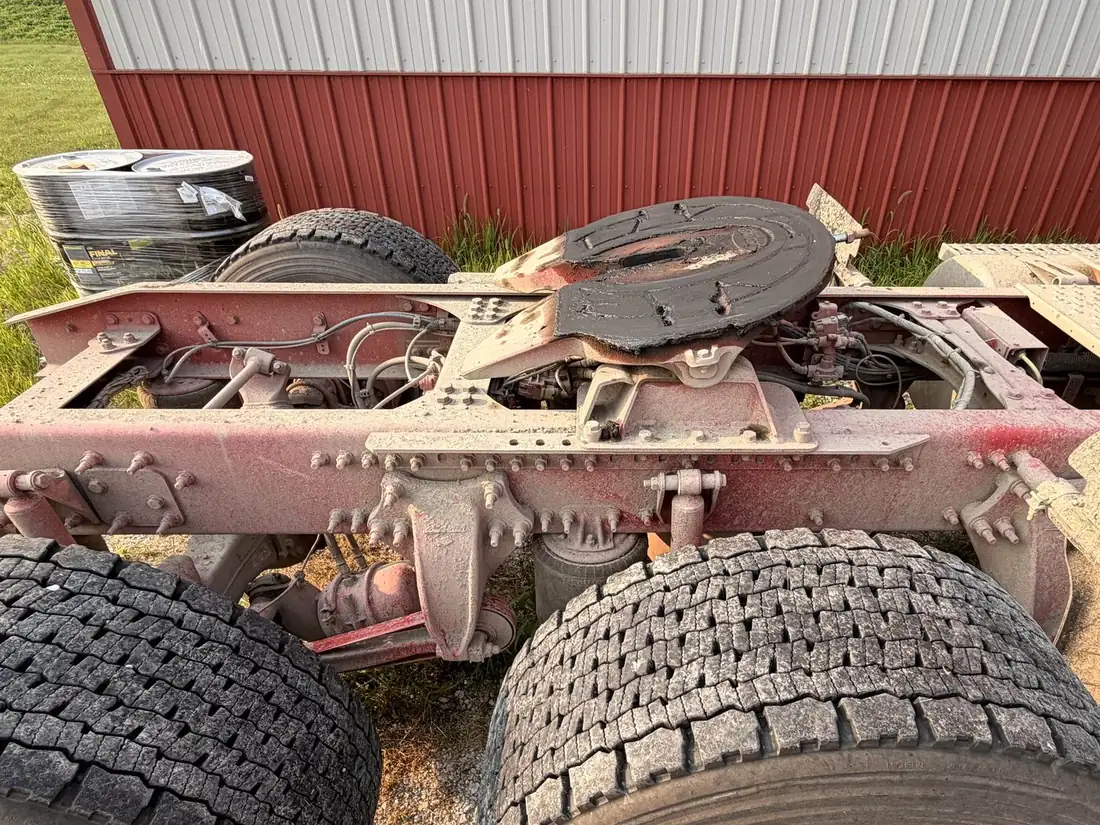
Undercarriage — Full Deep Clean
We'll wash 1-2 of your dirtiest grain trucks for free. See the quality before you commit.
One demo is all it takes. We bring our hot water wash system to your yard, clean your worst trucks, and let the results speak for themselves. No cost. No commitment. No catch.
Cam Panek — Office Manager
Jaylon Walden — Service Manager
Kelan Taylor — Sales Manager
We respond within 2 business hours.