Trusted by Central Illinois Fleets




The plain-English guide to truck-wash runoff for Central Illinois operators: what counts as an illegal discharge, who enforces it, and the compliant ways to keep washing on your own yard.
Trusted by Central Illinois Fleets
The Short Version
Here’s the fact that surprises most operators: the storm drain in your yard probably doesn’t go to a treatment plant. In most Illinois municipalities it goes to a creek, a ditch, or the river — untreated. So when a Saturday garden-hose wash sends detergent, diesel film, brake dust, and whatever the trailer hauled into that grate, it’s functionally the same as pouring it into the waterway. That’s the discharge the Clean Water Act regulates, and it’s why “we washed it ourselves out back” can turn into an environmental problem.
Here's the fact that surprises most operators: the storm drain in your yard probably doesn't go to a treatment plant.
Enforcement is layered: the Illinois EPA administers the federal framework, and most cities and counties run their own municipal stormwater (MS4) programs with local ordinances and inspectors. In practice, cases often start small — a complaint about soapy water running down a curb line — and escalate from there. Industrial yards with stormwater permits (SWPPPs) have it tighter still: uncontained washing can put the facility’s own permit at risk.
None of this means you can’t have clean trucks. It means the wash water has to be handled — contained, recovered, or routed somewhere legal. The cards below map the terrain, and the bottom section covers your three compliant options. One disclaimer, honestly: this is general information, not legal advice, and local ordinances vary by municipality — when in doubt, a call to your city’s public works or stormwater office settles it.
Wash water reaching a storm drain, roadside ditch, or waterway — carrying soap, oils, sediment, or cargo residue. It doesn’t require intent; gravity is enough.
Sanitary sewers go to treatment; storm drains usually go straight to water. Discharging wash water to sanitary CAN be allowed with local approval. To storm: generally not.
Illinois EPA at the state level; municipal MS4 stormwater programs locally. Inspectors respond to visible evidence — suds in a gutter, sheen in a ditch, staining at an outfall.
Yards operating under an industrial stormwater permit or SWPPP: uncontained vehicle washing is one of the fastest ways to create a documented violation of your own plan.
Most enforcement begins with a complaint or a routine municipal inspection, not a raid. Cleanup orders, corrective-action requirements, and fines scale with how long it went on.
Contain it, recover it, or route it legally. Capture mats and berms, vacuum recovery, oil/water separation, sanitary discharge with permission — or hire a wash vendor who brings all of that with them.
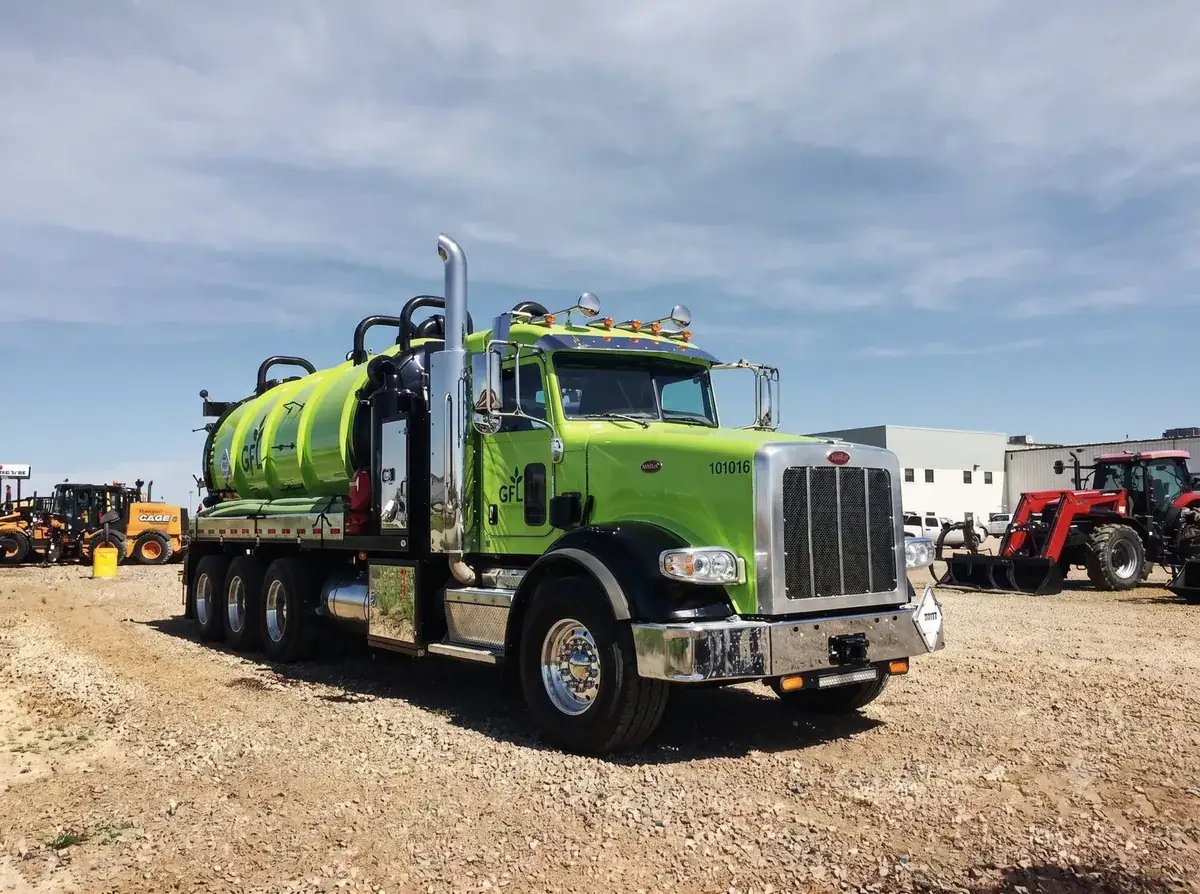
EPA-Compliant Runoff
Containment mats, recovery, and documented disposal on every visit — so the wash never becomes your yard’s stormwater problem.
See how contracts document itYour Options
Option one: capture and reclaim. Wash water is contained with berms or mats, vacuumed up, and hauled or treated for proper disposal. This is how professional mobile washing works — it’s Heartland’s standard practice on every yard, with our own water supply so we never touch your lines.
Option two: a dedicated wash bay or pad plumbed to the sanitary sewer through an oil/water separator, with your municipality’s approval. Effective, but it’s a capital project — realistic for the largest yards, overkill for most.
Option three: take the trucks to a permitted wash facility — compliant, but you’re back to paying driver hours and losing route time for every unit. For most Central Illinois fleets, option one delivers the compliance without the capital cost or the downtime: the containment, recovery, and disposal ride in on our rig and leave with it. Ask us — or any vendor — to walk you through the reclaim setup before the first wash. A company that can’t explain where the water goes is a company making its runoff your problem.
Across Central Illinois from our Pekin, IL home base
Don’t see your city? Call (309) 322-9599 — we likely cover your area.
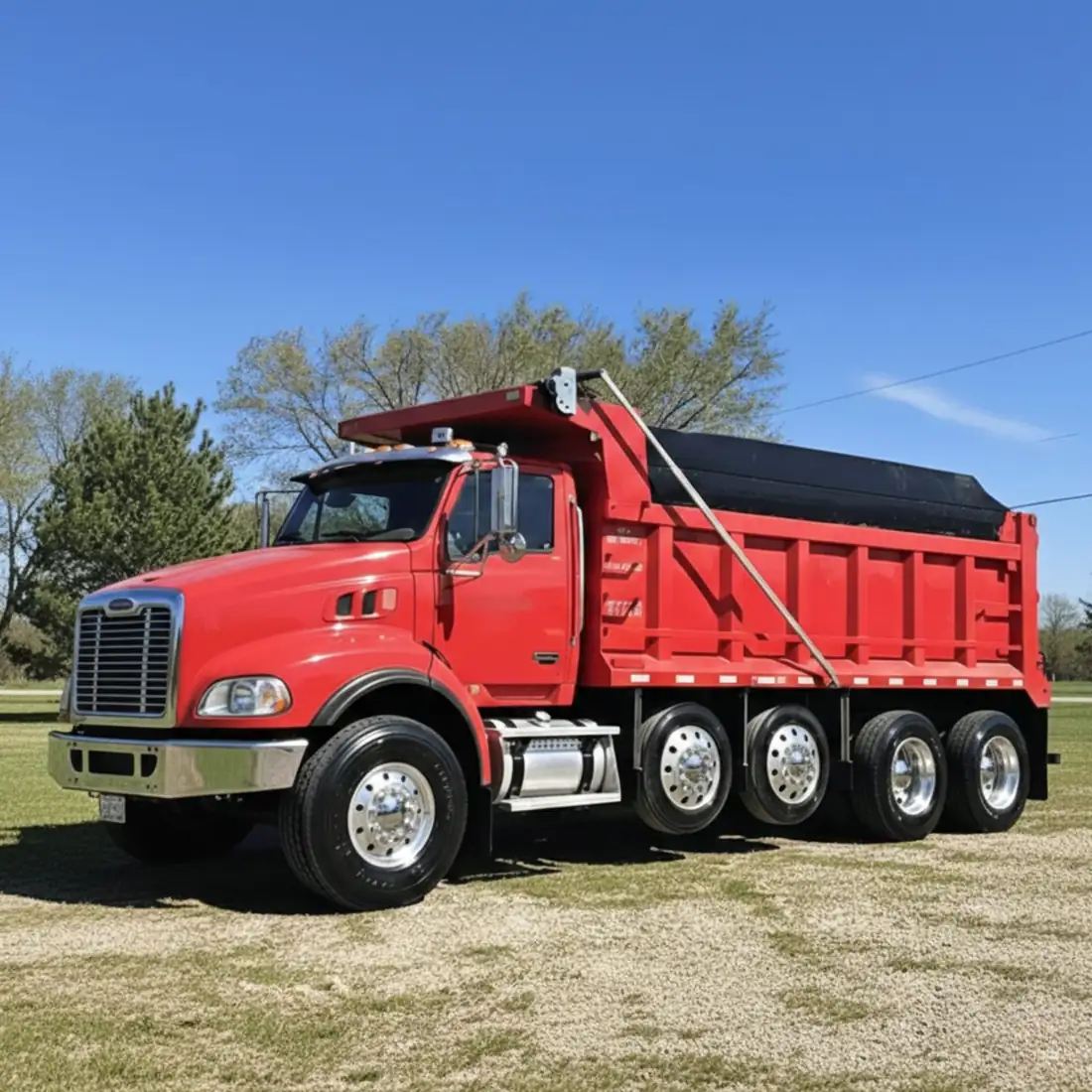
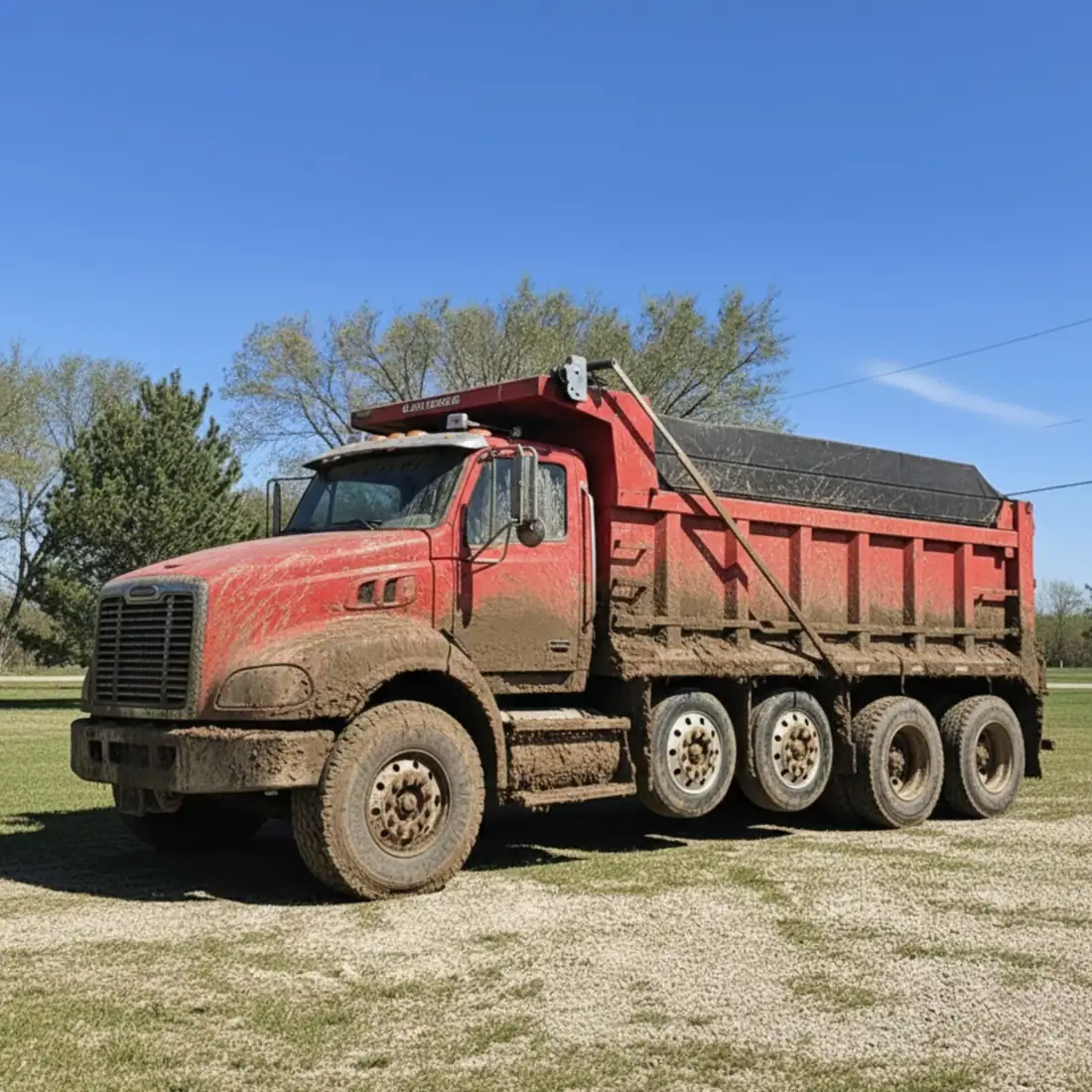
Dump Truck — Full Exterior Wash
Skip the bay line. We’ll wash 1–2 of your dirtiest units on your yard, free — see the difference before you spend a dollar.
One demo is all it takes. We bring the hot-water rig to your yard, clean your worst trucks — exterior and cab — and let the results speak for themselves. No cost. No commitment. No catch.
Cam Panek — Office Manager
Jaylon Walden — Service Manager
Kelan Taylor — Sales Manager
We respond within 2 business hours.