Trusted by Central Illinois Fleets





Mobile washing for open and enclosed car carriers, single-deck and double-deck haulers. Hot water wash • After-hours service • On-site at your yard.
Trusted by Central Illinois Fleets
The Problem
Auto transport rigs have a problem nobody else does — the truck's grime ends up on the customer's cars. Brake dust from the carrier's wheels transfers to vehicles staged on the lower deck. Road tar splashes from the trailer onto the unit underneath. Bug strikes baked onto the carrier nose blow back as flecks onto cargo during the next leg. The carrier doesn't just move cars; it transfers its own residue to every one of them.
At the dealer, presentation is everything. A 9-car load arriving on a streaked, brake-dusted carrier looks like a 9-car load of damaged vehicles even when nothing's wrong. Lot porters spend an extra hour pre-cleaning before the dealer can move units to the showroom. Dealers remember which carriers deliver clean and which don't — and they tell brokers. For owner-operators, that's the difference between a regular line and a one-off run that doesn't repeat.
Dealers remember which carriers deliver clean and which don’t — and they tell brokers.
For multi-carrier fleets running the Detroit-Chicago-St. Louis triangle through Central IL, the math compounds. Twenty rigs running daily means hundreds of cars touched per week, and presentation either works for you or against you on every load. The carriers that show up clean carry presentation as a competitive advantage. The ones that don't quietly lose loads.
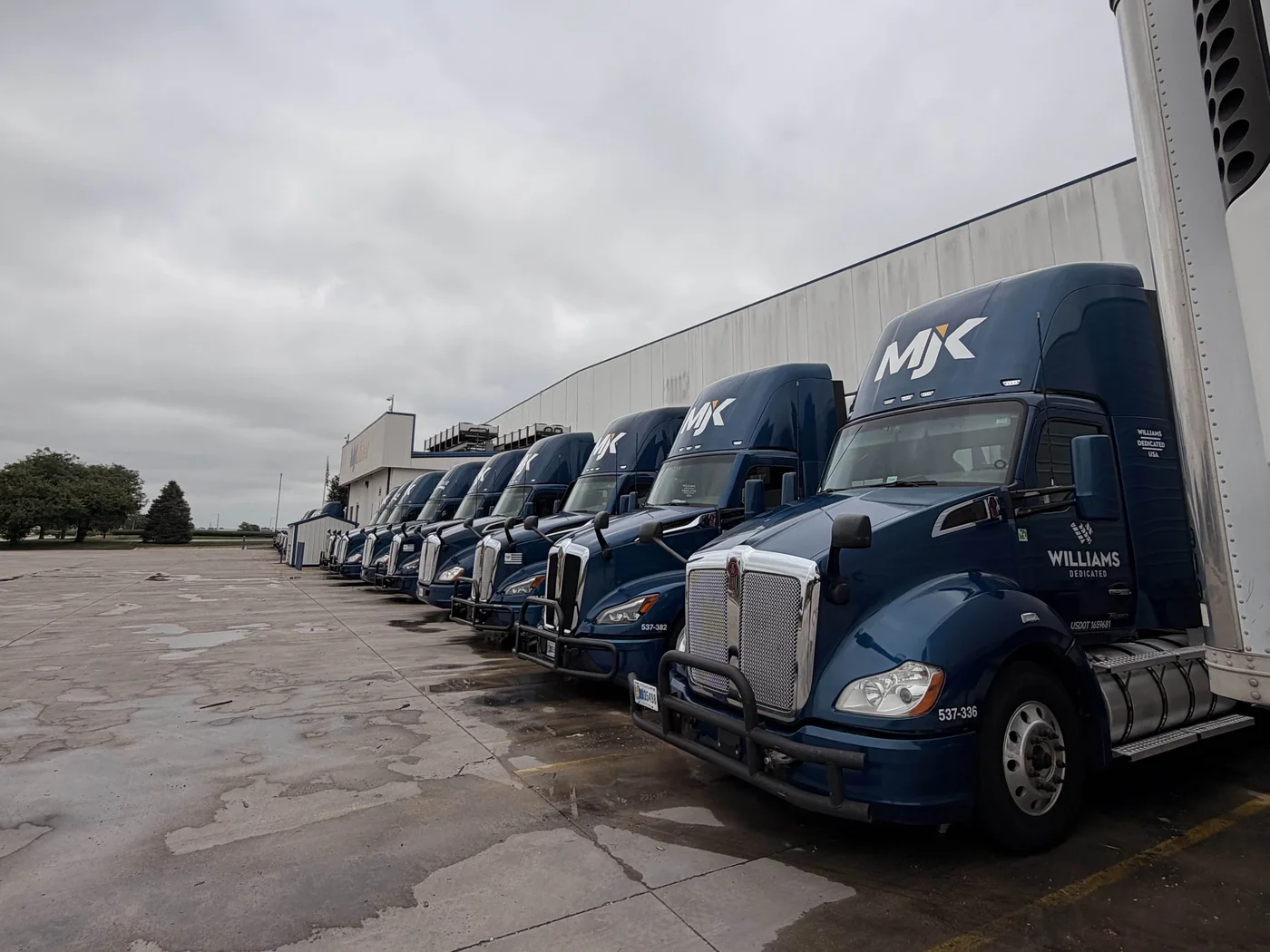
Full-Fleet Contracts
Whole fleets on a weekly or biweekly schedule — trailers, tractors, and box trucks washed after hours so every unit rolls out clean by morning.
See fleet contractsOur Approach
We bring a hot water wash system to your yard — high-pressure heat at the wand paired with brake-dust-cutter chemistry chosen for polished aluminum wheels and the painted deck surfaces underneath them. Heat lifts brake dust before it bonds to the clear coat on rims and the deck plate finish. Cold water moves it around. Our trucks carry their own water and reclaim equipment, so the runoff goes home with us.
We work after hours. Auto haulers cycle through fast — trucks are home only briefly between deliveries and pickups. We schedule around your dispatch and your driver schedules, not the other way around. Same crew, same route, same quality — every visit. Crews learn which units are open carriers (heaviest deck residue) and which are enclosed (sidewall and ramp focus), and adjust technique accordingly.
For auto-transport fleets, attention goes where presentation and cargo-transfer risk meet: deck surfaces and ramps, hydraulic cylinders and chock hardware, polished aluminum wheels and tank steps, frame rails and fender wells, carrier nose for bug strikes. We don't blast directly into hydraulic deck mechanisms or sensors — water in the wrong place is next week's problem. Fully insured, COI on request.
Standard open-deck auto haulers. Decks, ramps, fenders, side rails, wheel wells. Heaviest brake-dust transfer to lower-deck cargo — our priority work.
Box-style enclosed haulers for high-value units. Sidewalls, roof, rear doors, lift-gate hardware. Decal-safe chemistry for branded enclosed rigs.
Single-tier carriers for heavier vehicle classes. Frame, hydraulic ramps, deck surfaces. Detail work around tie-down anchors and chock hardware.
High-capacity double-deck carriers running Detroit-Chicago-St. Louis routes. Upper-deck rails, hydraulic risers, lower deck plate, transition mechanisms. Most complex hardware in the lineup.
Day cabs and sleepers pulling auto carriers. Bug-strike removal on the nose, polished aluminum wheel detail, frame and fifth-wheel area. Same hot water system across the fleet.
Yes. Carriers are typically washed when empty between loads — that is the cleanest workflow. If a carrier is partially loaded, we work around the cargo with controlled pressure and chemistry that is safe for any nearby paint. Brake-dust transfer to lower-deck cargo is the actual problem regular washing solves; that is why dealers care.
Hot water plus brake-dust-cutter chemistry. Polished aluminum wheels and tank steps require aluminum-safe technique — no acid pre-soak, no abrasive brushes. The brake dust that ends up on lower-deck cargo originates on the carrier’s own wheels; eliminating it on the carrier eliminates the transfer onto customer vehicles.
Yes. Open carriers carry the heaviest deck residue; enclosed carriers need decal-safe sidewall washing and lift-gate hardware detail. The wash technique adjusts to each. We work both single-deck and double-deck (stinger / stack) carriers regularly — double-deck units have more hardware and take longer per truck.
Weekly during active delivery cycles is typical for carriers running consistent dealer routes. A clean carrier signals a careful driver and a current truck — both translate to better load assignments from brokers. Owner-operators on weekly recurring contracts hold their broker relationships better than those who let the carrier go.
Yes. Double-deck and stinger carriers have the most complex hardware in the lineup — upper-deck rails, hydraulic risers, lower deck plate, transition mechanisms. Each takes longer per truck than a single-deck carrier, and we price accordingly. The technique is the same hot-water-plus-aluminum-safe approach scaled up.
Across Central Illinois
Don't see your city? Call (309) 322-9599 — we likely cover your area.
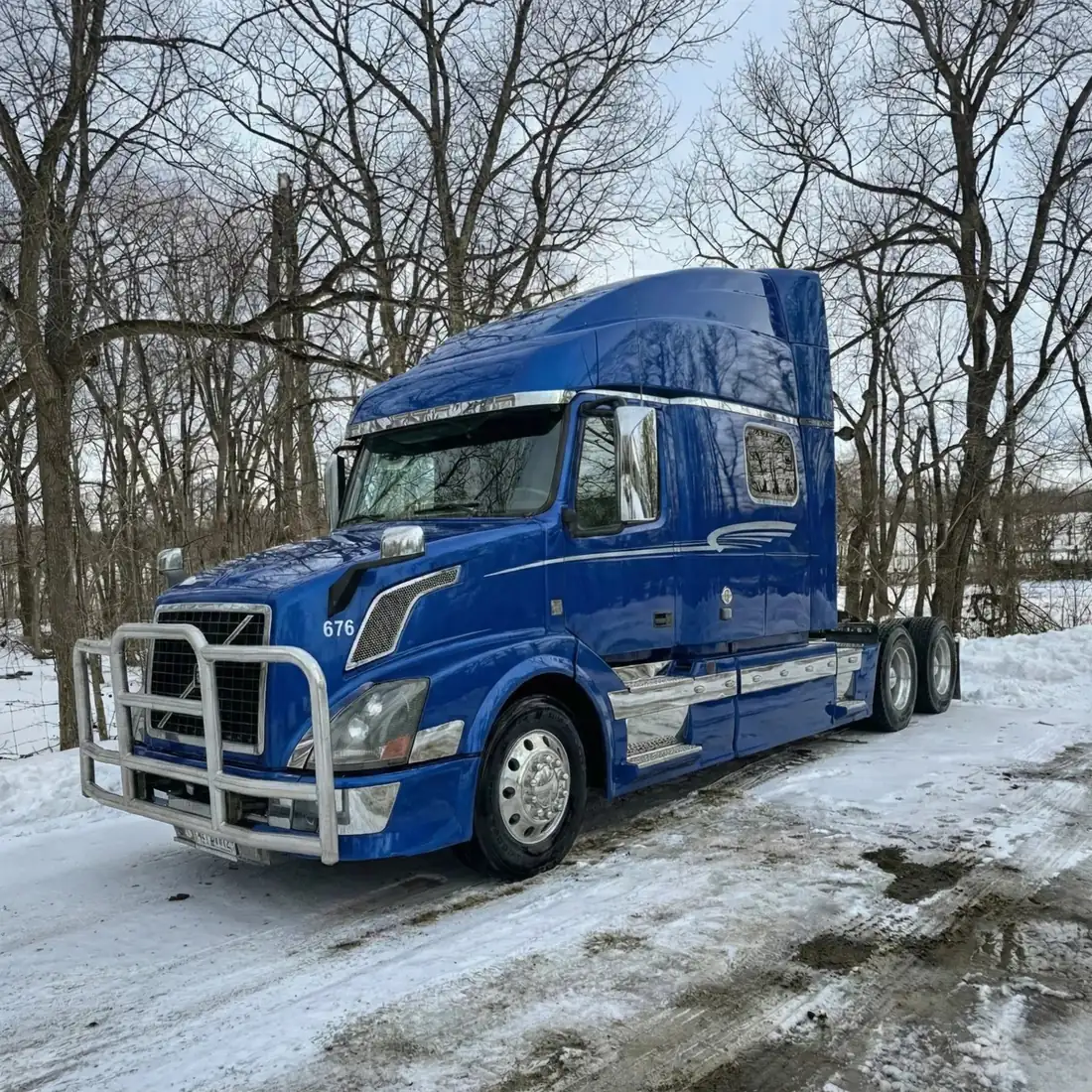
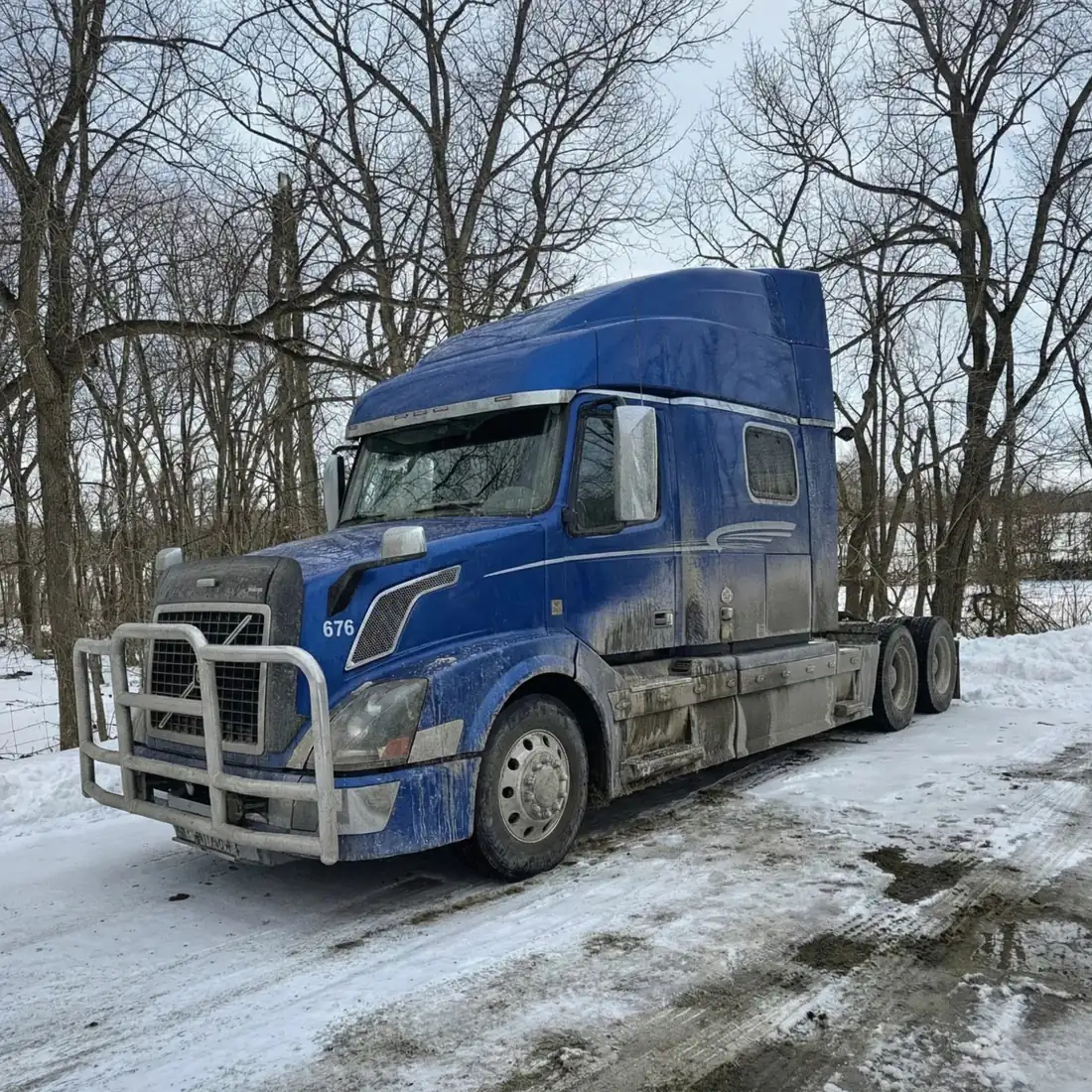
Volvo 676 — Full Exterior Wash
We'll wash 1-2 of your dirtiest carriers for free. See whether brake dust still transfers to lower-deck cargo — before you commit.
One demo is all it takes. We bring our hot water wash system to your yard, clean your worst carriers, and let the results speak for themselves. No cost. No commitment. No catch.
Cam Panek — Office Manager
Jaylon Walden — Service Manager
Kelan Taylor — Sales Manager
We respond within 2 business hours.