Trusted by Central Illinois Fleets

Mobile washing for food-grade, ethanol, fuel and chemical tankers. Hot water wash • FSMA-aware shell cleaning • DOT 49 CFR placard visibility.
Trusted by Central Illinois Fleets
The Problem
A tanker shell is a billboard for grime and a calling card for inspectors. Product spillage at the dome and discharge valves. Weather-soaked road film coating the shell from cab to rear placard. Diesel film tracked from yard tractors. Brake dust streaked across polished aluminum. None of it stays cosmetic for long — once a food-grade auditor sees it, the load doesn't ship.
For ethanol and fuel haulers, the cleanliness bar isn't visual — it's regulatory. DOT 49 CFR requires legible hazmat placards on every haul. A faded, dirty, or partially obscured placard is an out-of-service violation at roadside. For food-grade tankers, FSMA's Sanitary Transportation rule and most processor SQF protocols require visually clean exteriors before loading. The visual standard varies by shipper, so the safest play is "always inspection-ready."
Polished aluminum doesn't get treated like painted steel. Acid washes that work on a fender will haze a tank shell permanently. Brushes leave swirl marks. Pressure too close to a weld seam drives water past gaskets that have to stay dry. The wrong technique on a tanker is more expensive than not washing at all — and most generic washes don't know the difference. Pekin sits on the ethanol corridor — Pekin Energy, Aventine, ADM all run fleets through here. Local wash bays still get this wrong.
The wrong technique on a tanker is more expensive than not washing at all — and most generic washes don't know the difference.
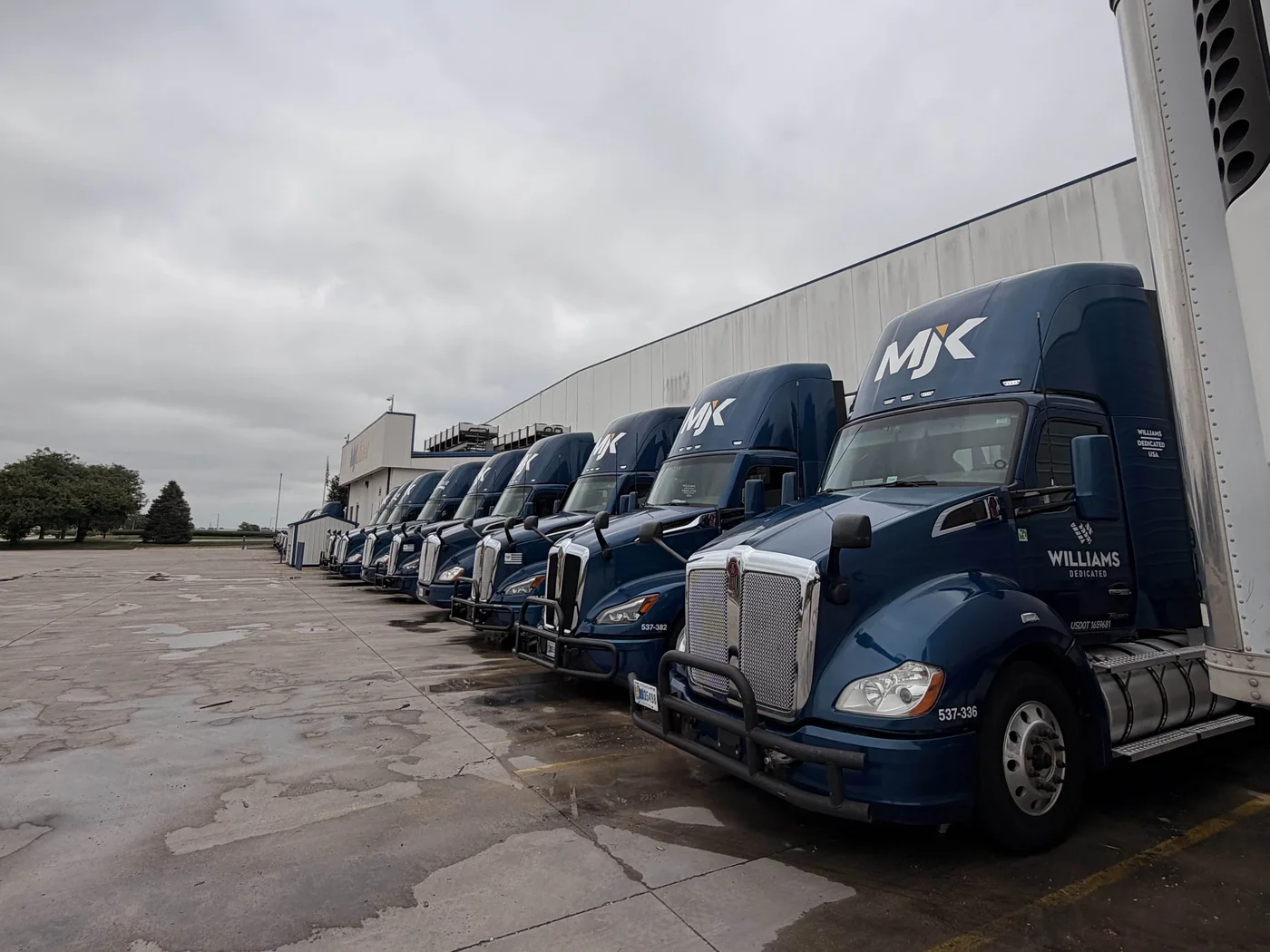
Full-Fleet Contracts
Whole fleets on a weekly or biweekly schedule — trailers, tractors, and box trucks washed after hours so every unit rolls out clean by morning.
See fleet contractsOur Approach
We bring a hot water wash system to your yard — high-pressure heat at the wand paired with chemistry chosen for polished aluminum and stainless. Heat lifts road film and product residue. The right pre-soak prevents acid-haze on aluminum and avoids etching that would void any chemical or food-grade coating. Our trucks carry their own water and reclaim equipment, so runoff with whatever's on your shell goes home with us.
We work after hours. Tanker dispatch runs around the clock during ethanol production cycles and fuel delivery routes. We schedule between trips — when your tractors are bobtailed and your trailers are dropped. Same crew, same route, same quality — every visit. Crews learn which shells are food-grade and need extra care, which are chemical and need different chemistry, and which are fuel haulers running placard-visible routes that get pulled at scales.
For tanker fleets, attention goes where compliance and presentation matter most: tank shell exteriors and dome lids, valve clusters and connection points, frame rails and wheel wells, placards and reflective tape that DOT will inspect on the next roadside. We're fully insured and carry COI on request — the regulatory frameworks we operate inside are listed below.
Polished aluminum and stainless shells, dome lids, valve assemblies. Visual cleanliness for FSMA exterior standards and most SQF/processor protocols. Chemistry chosen to avoid haze on polished surfaces.
Petroleum tankers, ethanol pulls, biodiesel haulers. Shell wash, frame, undercarriage. Restores DOT 49 CFR placard legibility and reflective tape visibility before the next scale-house inspection.
Specialty chemical haulers, acid tankers, food-byproduct trailers. Decontamination-aware exterior wash — we never mix product residue with our wash chemistry. COI updated for any shipper that asks.
Cement tankers, plastic pellet haulers, dry-bulk trailers. Shell, blowers, top hatches, frame rails. Removes product dust embedded in seams and overspray on shell exteriors.
Day cabs and bobtails that pull tankers between depots and load points. Same hot water system, gentler chemistry for the matched fleet. Keeps your face-of-the-fleet brand consistent.
FSMA + DOT 49 CFR
For food-grade tankers, the relevant rule is the FDA's FSMA Sanitary Transportation of Human and Animal Food regulation. Shippers are required to verify carrier sanitary practices, and processor-level SQF protocols typically include exterior cleanliness on the verification checklist. We document every wash so your dispatcher can produce a record on demand. For hazmat-bearing tankers, DOT 49 CFR requires legible placards and reflective tape at all times in transit — we keep both inspection-ready every visit. We do not perform interior tank cleaning; that's a separate certified service. Our work is exterior, frame, and undercarriage. COI and process documentation available on request.
Yes. Polished aluminum requires acid-free pre-soak chemistry and controlled pressure — the wrong combination hazes the shell permanently. Generic washes that work on painted fenders ruin tanker shells. Our chemistry is specifically chosen for polished aluminum and stainless; the technique distinction is the difference between a clean tanker and a permanent finish problem.
Yes. The FDA’s FSMA Sanitary Transportation of Human and Animal Food rule requires shippers to verify carrier sanitary practices, and most processor-level SQF audits include exterior cleanliness on the verification checklist. We document every wash — date, trailer number, crew lead, time on site — so dispatchers can produce an audit record on demand.
Routine washing keeps hazmat placards and reflective tape clean and visible — both are required under DOT 49 CFR for any tanker carrying placarded loads. We pay specific attention to placard surfaces and reflective tape edges on every visit. Faded or partially obscured placards are out-of-service violations at any scale-house pull; routine washing prevents that.
Yes — that is one of our core services for food-grade fleet operators. We wash exteriors only; we do not perform interior tank cleaning, which is a separate certified service. Visual cleanliness for FSMA exterior verification is fully covered, including dome lids, valve assemblies, frame, and undercarriage.
For active-route ethanol haulers, weekly washing is typical; biweekly works for fleets with lighter cycles. The scale-house and shipper presentation case for weekly is straightforward — placard legibility stays consistent and the polished aluminum stays presentable. Pekin’s ethanol corridor (Pekin Energy, Aventine, ADM) operators are our regular work.
Across Central Illinois
Don't see your city? Call (309) 322-9599 — we likely cover your area.
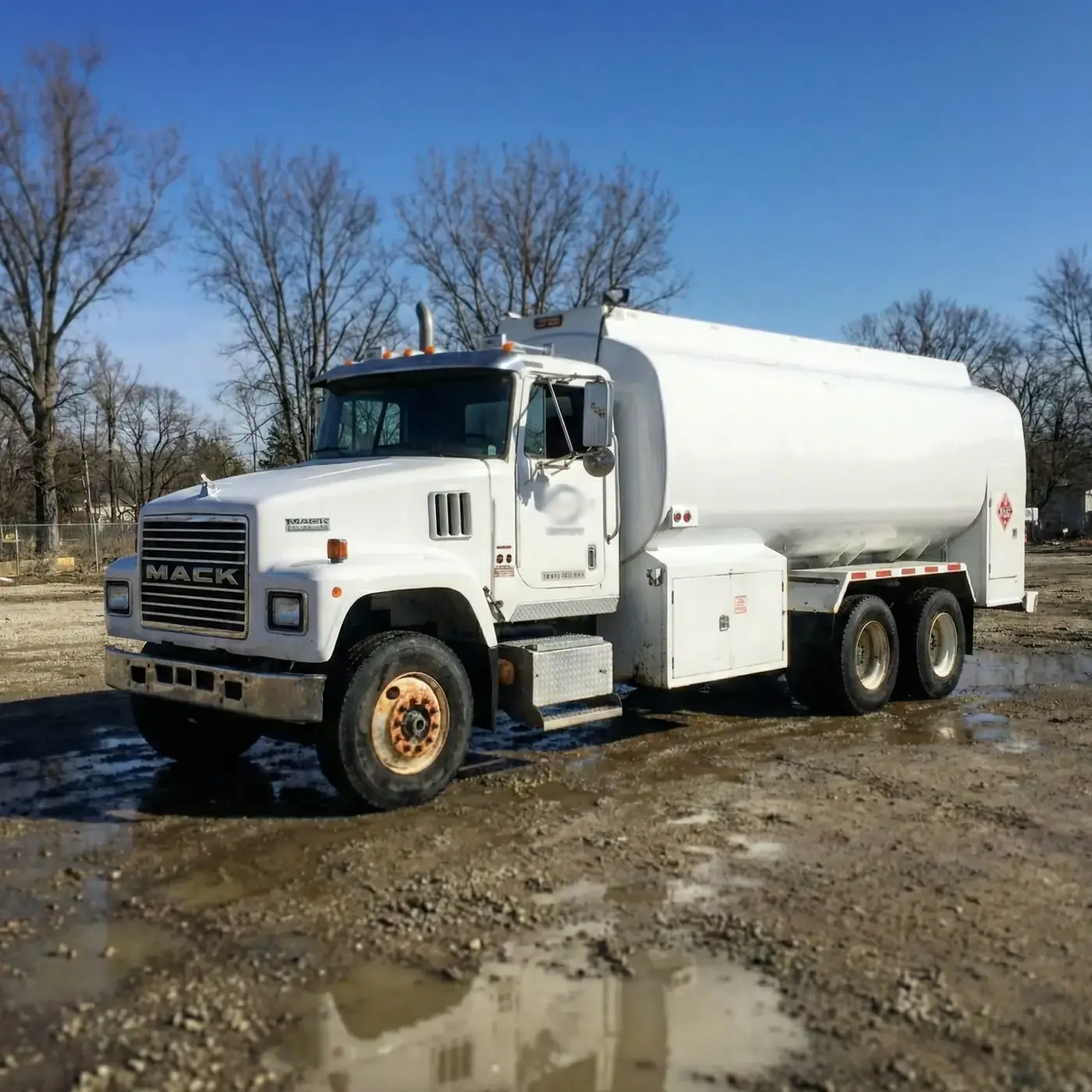
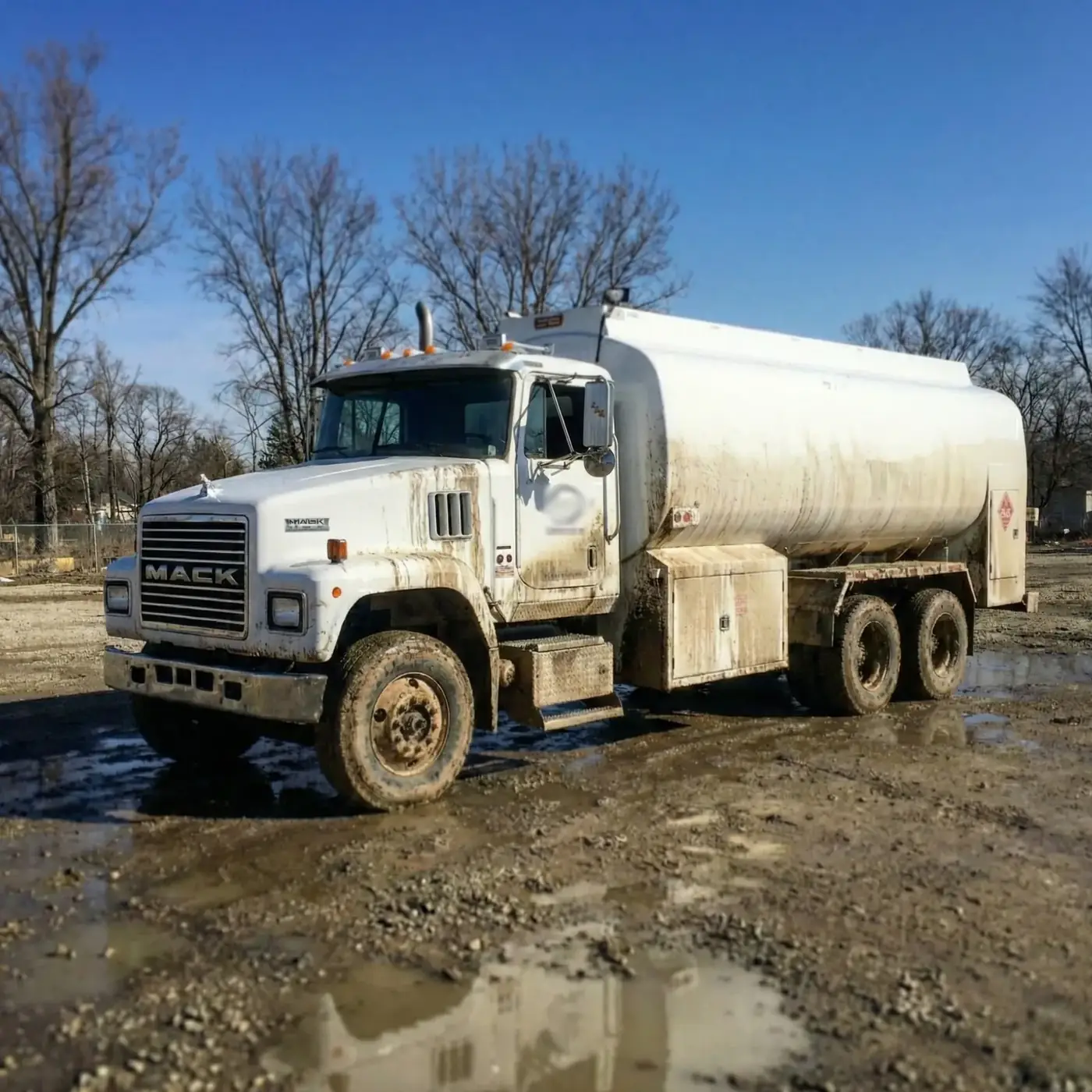
Mack Tanker — Full Exterior Wash
We'll wash 1-2 of your dirtiest tankers for free — aluminum-safe pressure, no haze, no swirl. See the quality before you commit.
One demo is all it takes. We bring our hot water wash system to your yard, clean your worst trailers, and let the shells speak for themselves. No cost. No commitment. No catch.
Cam Panek — Office Manager
Jaylon Walden — Service Manager
Kelan Taylor — Sales Manager
We respond within 2 business hours.