Trusted by Central Illinois Fleets




Mobile washing for front, side, and rear-loaders plus roll-offs. Hot water wash • RCRA-aware leachate handling • After-hours service.
Trusted by Central Illinois Fleets
The Problem
Leachate dripping from hopper seams. Trash-juice splash down the body. Coffee-grounds-meets-fish-meets-diaper film on the rear gate. The smell carries before the truck does. And the residue isn't just unsightly — it's biological, it grows, and it weakens steel from the outside in. A neglected hopper edge rusts twice as fast as the rest of the body.
For municipal haulers and private waste fleets across Tazewell and Peoria counties, this isn't a presentation issue first. It's an OSHA worker-exposure issue, a public-perception issue, and a fleet-life issue all at once. Drivers spend ten hours a day next to the body. Yard mechanics work on units that nobody wants to climb under. A dirty refuse fleet is the visible face of a city's contract performance — or your private-hauler reputation in the next bid cycle.
Generic wash bays don't take refuse trucks. Not really. Tunnel washes won't run them. Coin-ops kick them out. The few that will accept the work charge premium and only run daytime — when your trucks should be on routes earning. We come to your yard at 9 PM, after the routes have come back, and turn over thirty units in a working night.
We come to your yard at 9 PM, after the routes have come back, and turn over thirty units in a working night.
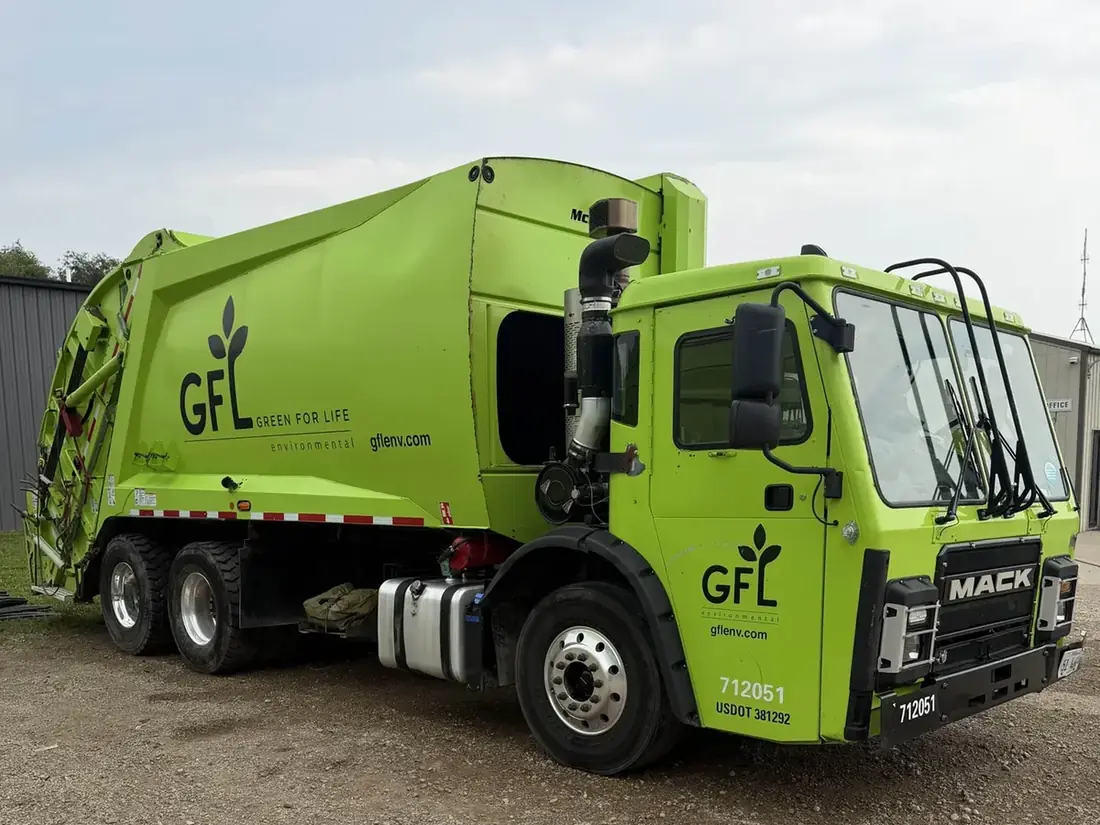
Refuse & Waste
Rear-loaders and roll-offs carry the toughest grime in the business. Hot water and degreaser knock it down — with EPA-compliant runoff capture, right on your lot.
Our Approach
We bring a hot water wash system to your yard — high-pressure heat at the wand paired with biocide-cutter chemistry chosen for organic and biological residue. Heat lifts the grease and protein-based film that cold water just smears around. Our trucks carry their own water and reclaim equipment, so leachate-tinted runoff goes home with us — not into your yard's drainage that crosses the city stormwater grid.
We work after hours. Refuse routes run dawn through afternoon; we work nights. Same crew, same route, same quality — every visit. Crews learn which units run commercial side-load routes versus residential rear-load routes (different priority and different residue), which units have known hopper-seam leak points, and which need extra dwell on the gate seal area.
For refuse fleets, attention goes to the parts that hold residue and breed odor: hoppers and tipper hardware, packer cylinders, gate seals, frame rails behind the body, undercarriages where leachate drips. We're fully insured and carry COI on request — the regulatory framework that governs leachate handling is detailed below.
Commercial dumpster routes. Forks, hopper exterior, body, packer cylinders. Removes splash and overflow residue from the lift cycle. Restores DOT visibility and reduces odor at the yard.
Automated cart-route trucks. Lift arms, hopper, body, packer area. Detail-focused work around the lift mechanism — no direct blast into hydraulic cylinders or sensors.
Manual residential and commercial pickup. Tailgate, packer, hopper interior edges, body. Heaviest leachate and gate-seal residue of any refuse configuration.
Hook-lift container trucks. Rails, cylinders, frame, hook. Removes mixed debris and aggregate residue from contact points where wear is worst.
Single-stream and dual-compartment recyclers. Body, hopper, packer area. Same hot water system, residue mix tilts toward paper-pulp adhesion and can-leak film.
RCRA Subtitle D + OSHA Worker Exposure
Refuse-truck wash residue carries leachate, which is regulated under RCRA Subtitle D as non-hazardous solid waste. We capture wash runoff at the source — it does not enter your yard's stormwater system, the city storm grid, or any unlined ground. From a worker-exposure standpoint, OSHA bloodborne-pathogen and biological-hazard standards govern who can be near the body during cleaning and what PPE is worn. Our crews are trained on both. We also document every wash so your safety officer or city contract administrator can produce a record on demand. COI and disposal documentation available on request.
Yes — refuse fleets are part of our regular work. Hot water and biocide-cutter chemistry lift biological residue and knock down odor at the source instead of masking it. Most generic wash bays will not take a refuse truck; we come to your yard at night when routes are parked and turn over the fleet on a documented schedule.
Yes. Refuse-truck wash residue carries leachate, which is regulated under RCRA Subtitle D as non-hazardous solid waste. Our trucks carry their own reclaim equipment so wash runoff is captured at the source — it does not enter your yard’s drainage, the city storm grid, or any unlined ground. Disposal documentation is available on request.
Crews follow OSHA bloodborne-pathogen and biological-hazard standards: appropriate PPE, distance-controlled technique, and documented procedures. The exposure risk is real on a refuse truck and we do not treat it casually. Worker safety documentation is part of the contract record we maintain for compliance reviews.
Yes. Per-wash documentation includes date, unit number, crew lead, time on site, and disposal records — the audit trail municipal procurement officers and state auditors need. We structure contracts to fit standard public-bid frameworks and provide COI naming the municipality as additional insured on request.
Routine weekly washing keeps odor manageable through the season. Without intervention, odor returns within hours of the next route — the residue is biological and continuously replenished. With weekly hot-water washing and biocide-cutter chemistry, the yard and the fleet stay presentable enough for public-facing operations.
Across Central Illinois
Don't see your city? Call (309) 322-9599 — we likely cover your area.
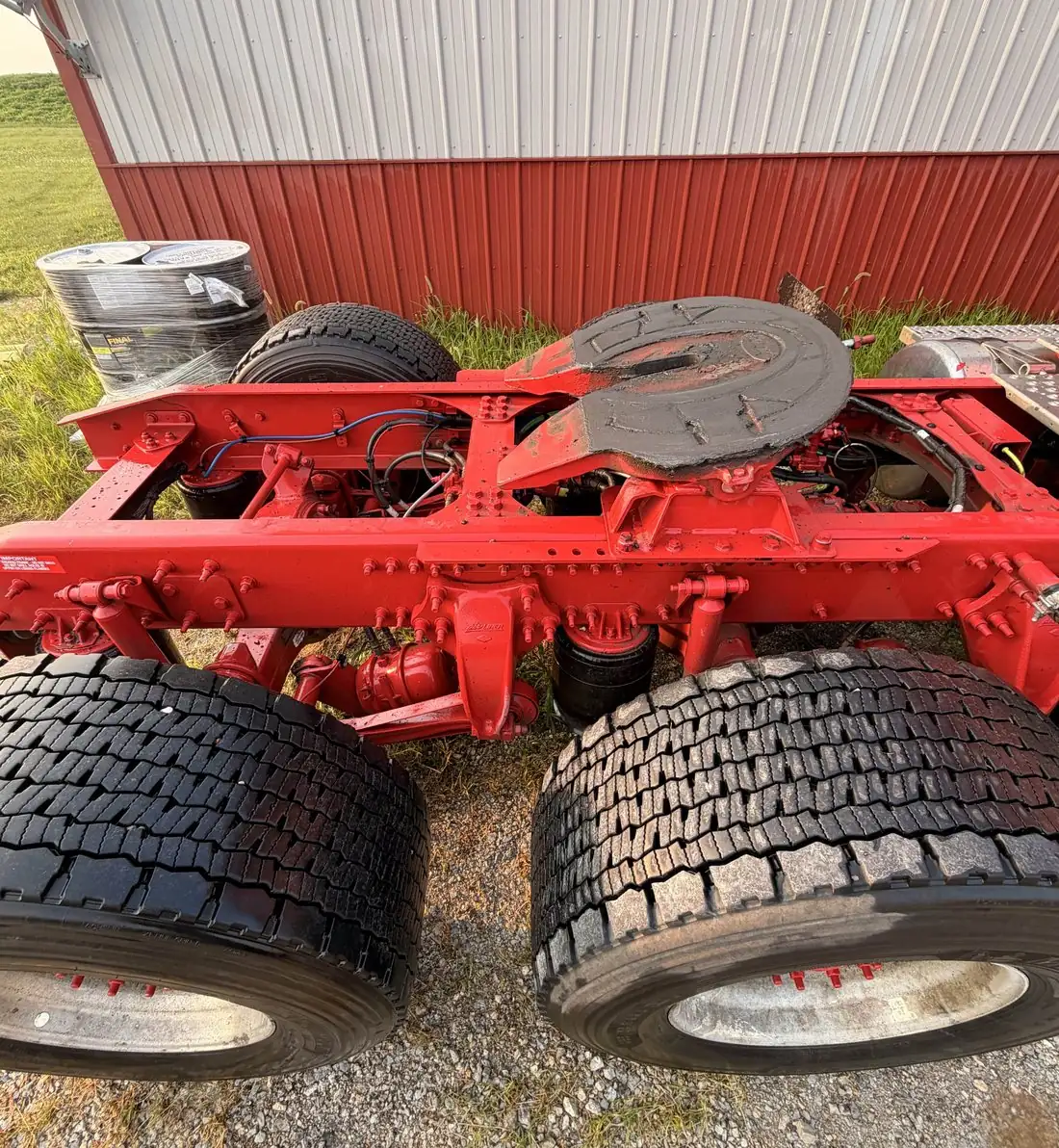
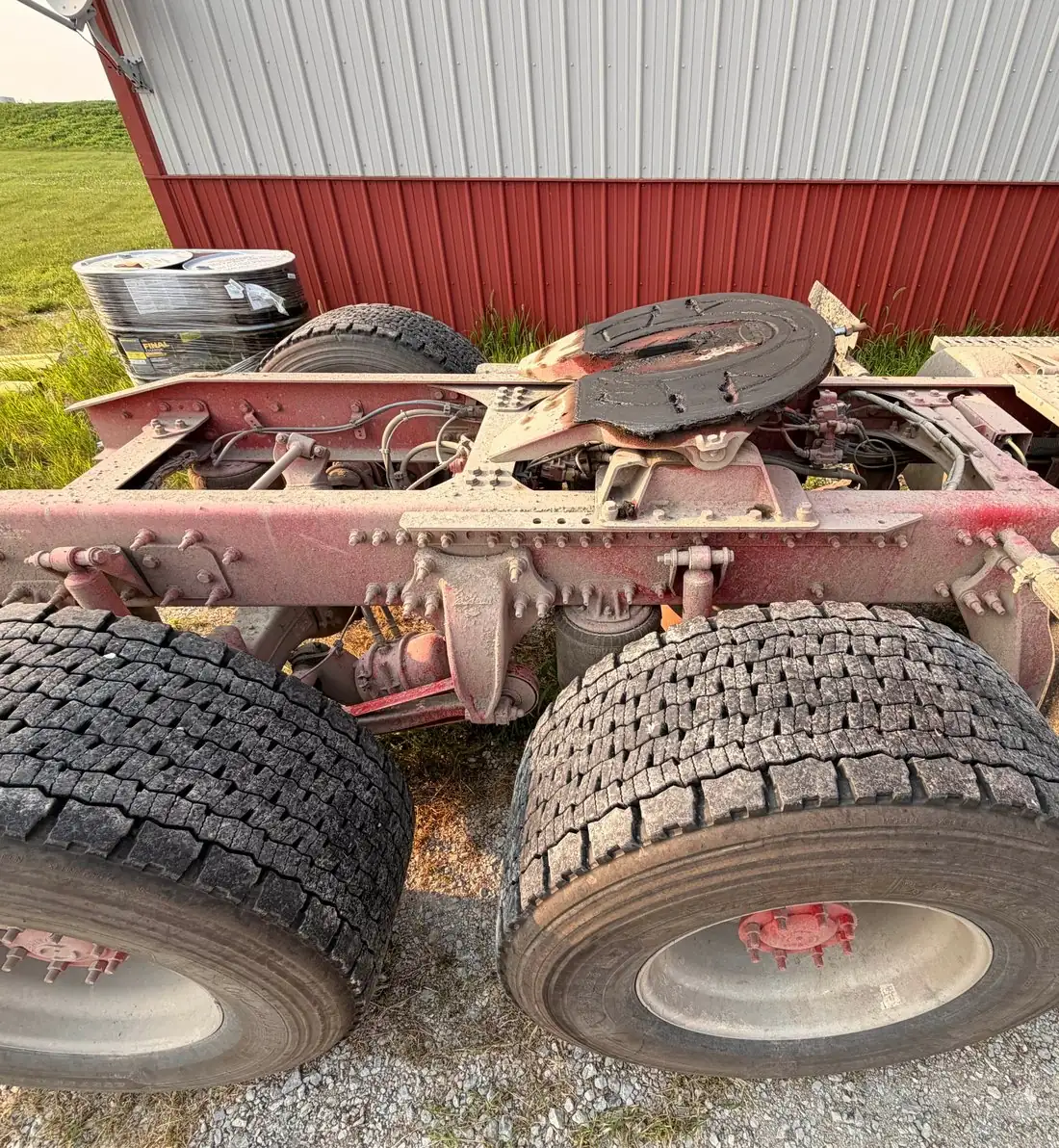
Peterbilt Chassis — Frame & Fifth-Wheel Degrease
We'll wash 1-2 of your dirtiest refuse trucks for free, with full runoff containment. See the results before you commit.
One demo is all it takes. We bring our hot water wash system to your yard, clean your worst trucks, and let the results speak for themselves. No cost. No commitment. No catch.
Cam Panek — Office Manager
Jaylon Walden — Service Manager
Kelan Taylor — Sales Manager
We respond within 2 business hours.