Trusted by Central Illinois Fleets





A practical, no-fluff checklist for Central Illinois fleet managers. What inspectors look for, what hides under road grime, and how to be ready before the truck is on the scale.
Trusted by Central Illinois Fleets
Why Clean Matters at Inspection
An inspection is a visibility exercise. Cracked frame welds, wet spots around fittings, chafed air lines, rusted brake components — every one of them is findable on a clean truck and invisible under a season of road film. That cuts both ways: grime hides defects from the inspector, but it hides them from your shop first. The fleets that breeze through inspection season aren’t lucky; they found their violations in the yard, weeks earlier, on trucks clean enough to actually look at.
The fleets that breeze through inspection season aren't lucky; they found their violations in the yard, weeks earlier, on trucks clean enough to actually look at.
There’s a softer factor too. Inspectors are human. A rig that rolls up with a clean frame, legible markings, and a squared-away cab starts the conversation as a well-maintained truck. One that arrives caked to the mirrors invites a longer look. Neither replaces mechanical compliance — but only one of them helps you.
Use the checklist below on a walk-around 2–4 weeks before inspection season, fix what you find, and finish with a presentation wash the week of. Print it, laminate it, hand it to whoever walks the yard.
Wash first, then inspect: cracks and bends in frame rails, broken welds, rust-through, loose crossmembers, U-bolt condition. Salt residue accelerates all of it — a post-winter wash is non-negotiable in Illinois.
Every lamp lit, every lens intact, every reflector actually reflective. Road film can cut conspicuity tape and reflector performance dramatically — wipe or wash before you judge what needs replacing.
Fresh drips show plainly on clean components. Check air lines for chafing and audible leaks, fuel system for weeps, wheel seals and hubs for slung oil. A wet spot on a clean axle is a repair ticket, not a mystery.
USDOT number, carrier name, and any required placards legible from 50 feet. Mud and diesel soot fade them fast. If your number is unreadable, that’s a violation before anyone opens a hood.
Windshield free of cracks in the wiper sweep, mirrors intact and clean, wipers functional with fluid. Cheap items — and among the most commonly written up.
Seat belt condition, horn, gauges, no loose cargo in the cab, paperwork organized and reachable. A clean cab keeps the inspection moving and keeps the driver calm.
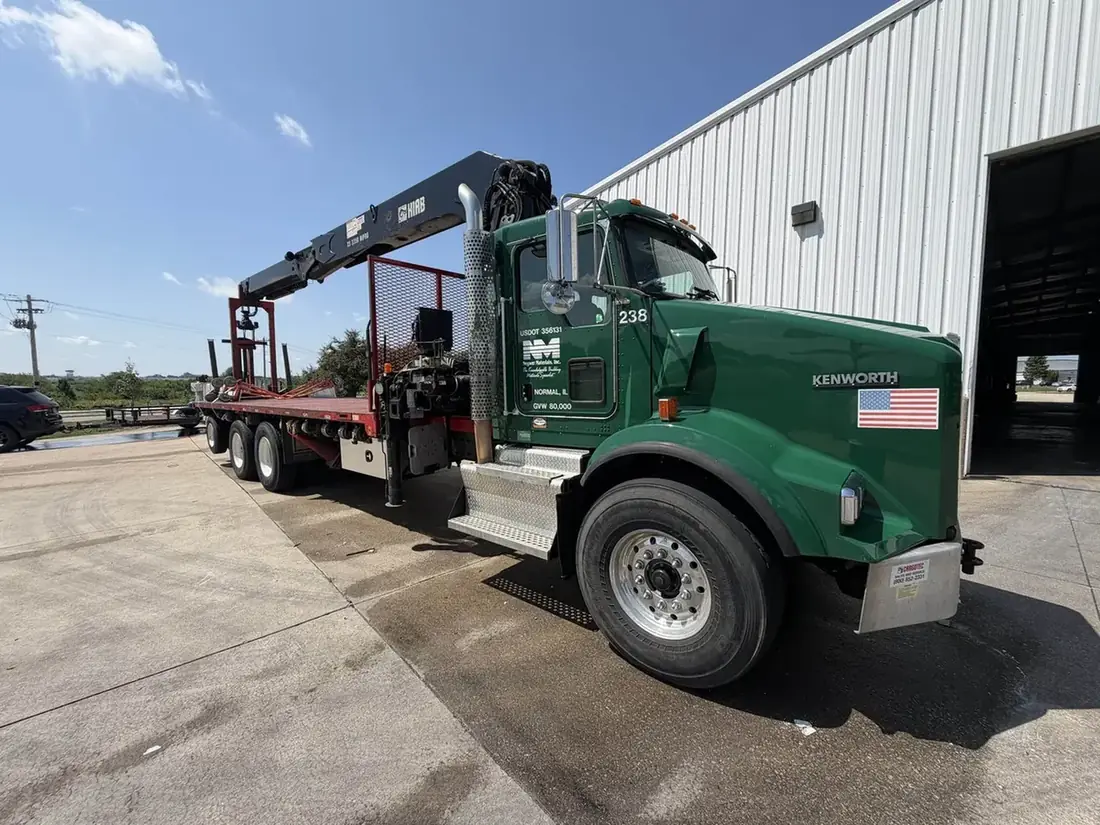
Inspection Prep
A clean frame is a readable frame. Regular washing turns roadside surprises into shop work you scheduled yourself.
See the deep clean processThe Timeline
2–4 weeks out: full fleet wash — exterior, undercarriage, frame. Then run the walk-around above on clean trucks and write up every defect. This is the window where problems are repairs, not violations.
1 week out: confirm repairs closed out, re-check lights and placards, verify paperwork — registration, annual inspection certificates, driver files. Schedule the presentation wash.
Inspection week: presentation wash — exterior plus cab interior, so both the truck and the driver’s workspace show squared away. Heartland runs pre-inspection washes as after-hours mobile visits across Central Illinois; the fleet is clean at sunrise with zero route time lost. One caveat, honestly: none of this substitutes for mechanical compliance. A spotless truck with bad brakes is still out of service — wash early so the mechanical work has time to happen.
Across Central Illinois from our Pekin, IL home base
Don’t see your city? Call (309) 322-9599 — we likely cover your area.
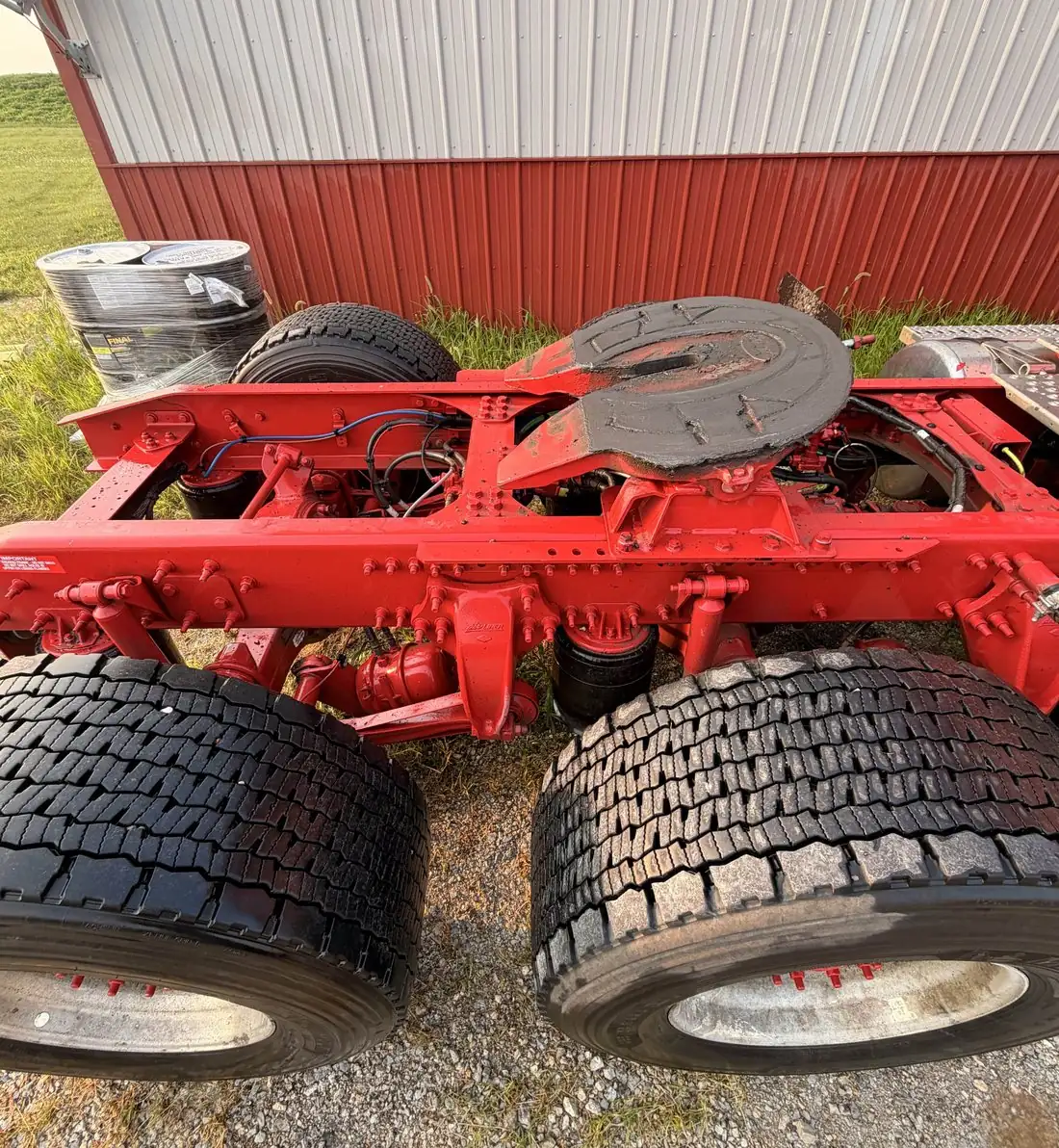
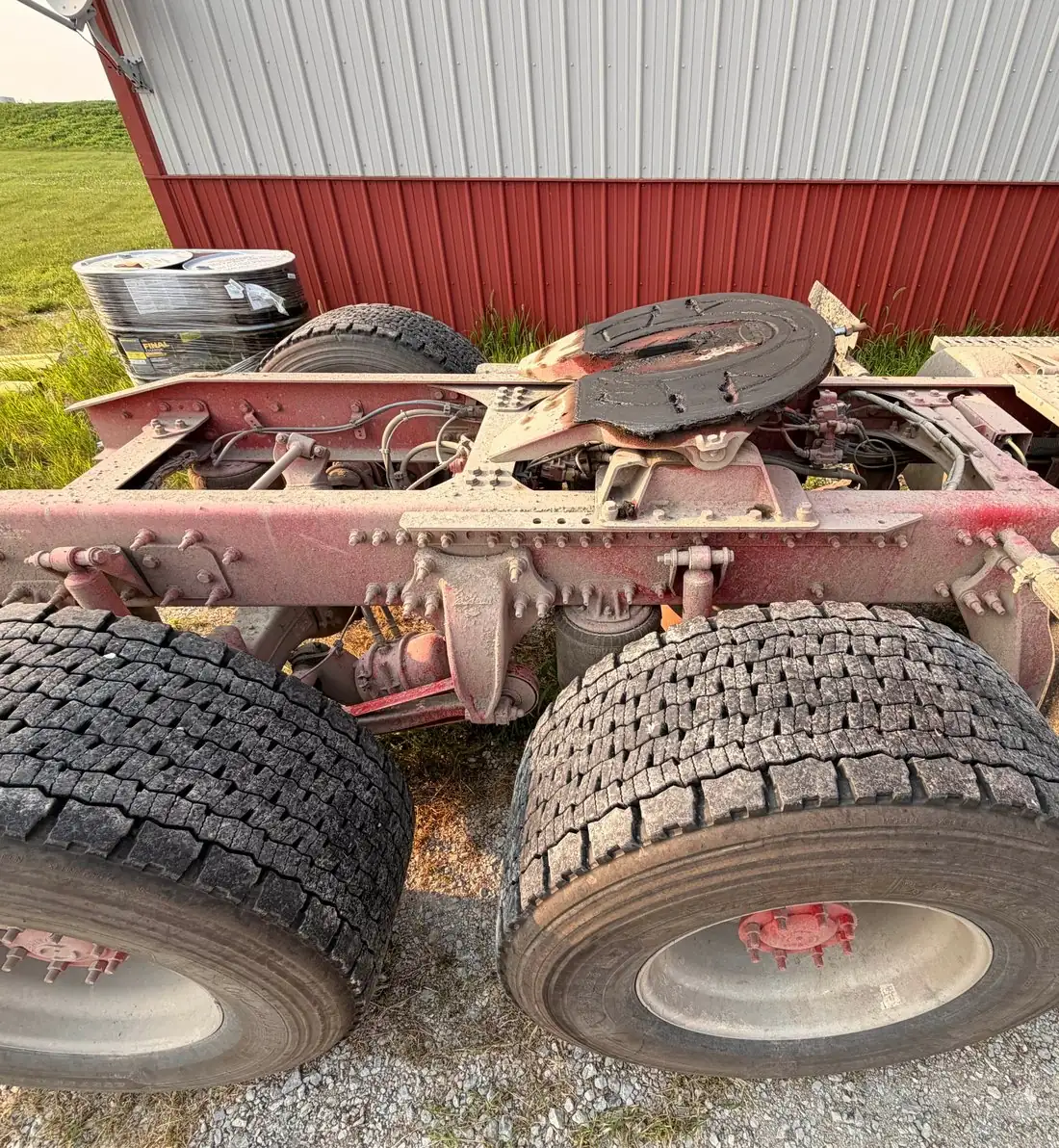
Peterbilt Chassis — Frame & Fifth-Wheel Degrease
Skip the bay line. We’ll wash 1–2 of your dirtiest units on your yard, free — see the difference before you spend a dollar.
One demo is all it takes. We bring the hot-water rig to your yard, clean your worst trucks — exterior and cab — and let the results speak for themselves. No cost. No commitment. No catch.
Cam Panek — Office Manager
Jaylon Walden — Service Manager
Kelan Taylor — Sales Manager
We respond within 2 business hours.