Trusted by Central Illinois Fleets



Combines, tractors, sprayers, planters and grain carts. Chaff blow-out • Hot water wash • On-site at your shop or dealer lot.
Trusted by Central Illinois Fleets
The Problem
Bean dust, chaff and cob fragments pack the engine bay, the space around the exhaust, the feederhouse and the rotor cage. Field mud cakes the undercarriage and the drive wheels. Grease and hydraulic film on the frame catches everything that blows past it. By the last day of harvest a combine is carrying more loose material than most people would guess, and the machine goes straight into the shed that way.
That is where the problems start. Chaff holds moisture against paint, wiring and bearings all winter. Packed material around the exhaust and turbo is a fire risk the next time the machine runs hot. Mice nest in it. And when a dealer looks at the unit on trade, what they see is what they pay for.
Chaff holds moisture against paint, wiring and bearings all winter. Packed material around the exhaust is a fire risk the next time the machine runs hot.
Tractors, sprayers and planters have the same story on a smaller scale: field mud, fertilizer and chemical residue, hydraulic film, and a wash bay that is too small or too far away to bother with. A garden hose in the shop lot does not reach the undercarriage or lift the grease. The machine gets put away dirty because nothing else is practical.
Our Approach
Dry material comes off dry. We clear chaff and dust from the engine bay, feederhouse, rotor area and frame with air before any water touches the machine, so it lifts instead of turning into paste. Then the hot water system goes to work on what is actually stuck: grease and hydraulic film on the frame, field mud on the undercarriage and wheels, chemical residue on sprayer booms and tanks. Heat dissolves the binding layer. Cold water just moves it.
Pressure and distance change with the surface. Direct pressure stays off wiring harnesses, sensors, monitor screens, bearing seals, hydraulic fittings and decals. A header gets treated differently than a frame rail. This is slower than blasting the whole machine from ten feet, and it is why the paint, the electronics and the bearings are still fine afterward.
We come to the machine. Farm shop, machine shed lot, or a dealer yard with thirty units lined up. The truck carries its own water and reclaim, so there is no wash bay to find and no runoff left in your lot. Timing follows the calendar: post-harvest cleanout before storage, pre-plant on tractors, planters and sprayers, and lot programs for dealers and custom crews whenever the units are parked.
Engine bay and exhaust blow-out, feederhouse and rotor area, frame degrease, undercarriage and drive wheels, cab glass. Corn and bean heads cleared of residue. The post-harvest cleanout is the main job here; a lighter exterior wash covers mid-season and pre-delivery.
Frame and undercarriage degrease, wheel wells and duals, three-point and hitch area, cab exterior and glass. Row-crop and utility tractors both. Good candidates for the pre-plant visit so they go out clean.
Self-propelled and pull-behind. Tank exterior, boom structure and plumbing, frame and undercarriage. We keep pressure off nozzle bodies, sensors and hydraulic fittings, and rinse chemical residue instead of grinding it in.
Row units, frames, closing wheels, coulters and tillage shanks. Field mud and fertilizer residue lifted with hot water. Storage-ready afterward so it is not seizing up over the winter.
Cart tubs, augers, frames and running gear. Grain dust and field mud out of the seams, hydraulic film off the frame. Done alongside the combine in the same visit.
The semis and hopper trailers that haul from the field are their own program — see our grain & agriculture truck washing page. On a farm visit we do them in the same stop.
Twice a year does most of the work: once right after harvest before the machine goes into the shed, and once before it goes back out. The post-harvest cleanout matters most. Chaff, bean dust and cob fragments left in the engine bay and around the exhaust hold moisture all winter and give mice somewhere to nest. Pre-plant is a lighter wash on tractors, planters and sprayers so they start the season clean.
Blow-out first, then water. Wetting chaff before it is removed turns it into paste that sets in the feederhouse, rotor cage and engine bay. We clear the dry material with air first, then run hot water and degreaser on what is actually stuck: grease, oil film, field mud on the undercarriage.
Not the way we run it. Direct pressure stays off wiring harnesses, sensors, monitor screens, bearing seals and hydraulic fittings. Distance and fan angle change when we move from a frame rail to a header. The crew has cleaned this equipment before and prices the job for the time it takes to do it right.
Both. For a single farm we come to your shop or machine shed, usually a combine plus a few tractors and a grain truck in one visit. For dealers and custom harvest crews we run a lot program: trade-ins, pre-delivery units, or a whole harvest fleet on a schedule. Lot work is where we can give the best per-unit price because we are not driving between stops.
Quoted per machine and per visit, based on what it is, how it has been stored, and whether we are doing an exterior wash or a full post-harvest cleanout with engine bay and blow-out. We do not publish a flat rate because a clean-shedded combine and one that sat outside two seasons are not the same job. A free demo wash on one tractor or truck shows you the quality before you commit anything.
Across Central Illinois
Don't see your city? Call (309) 322-9599 — we likely cover your area.
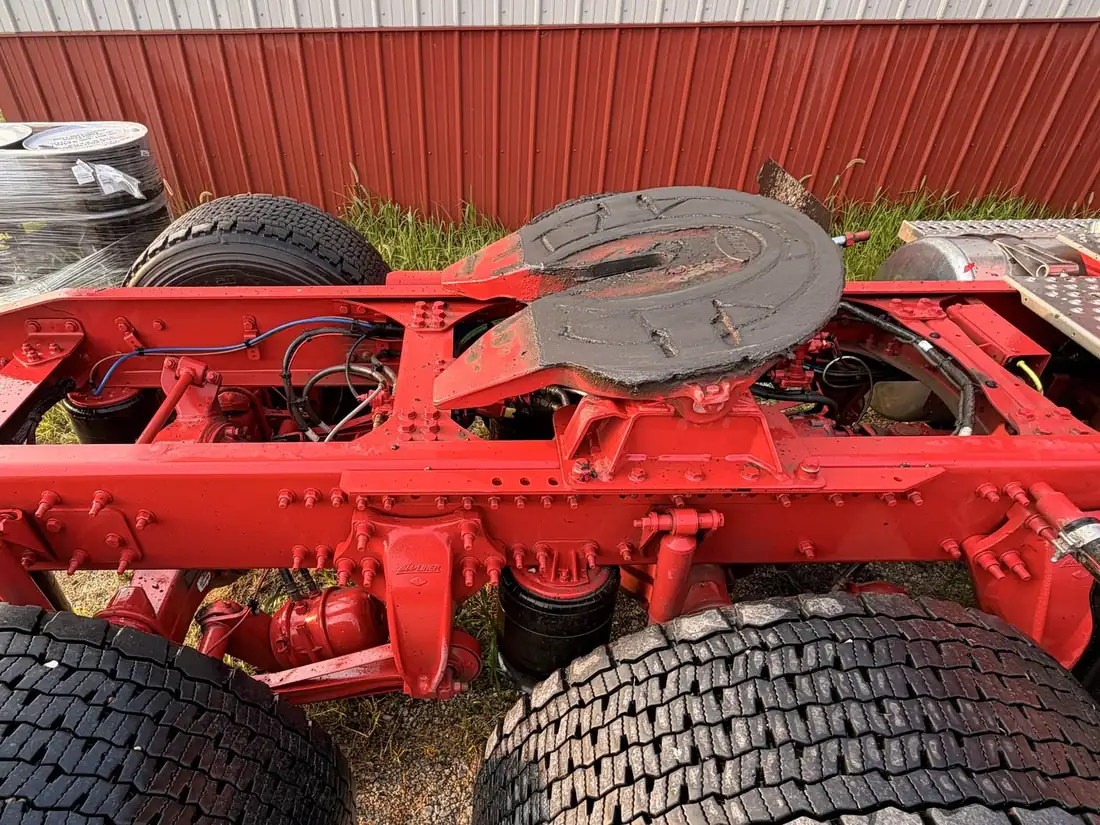
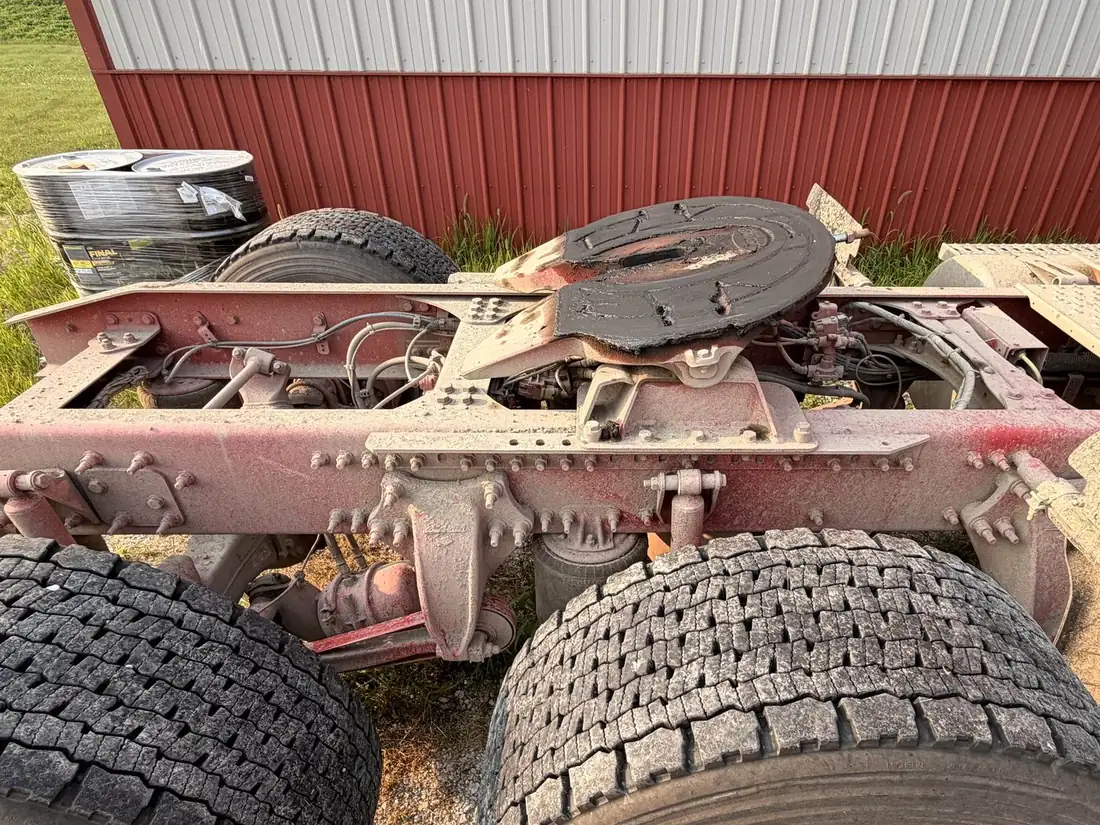
Undercarriage — Full Deep Clean
We'll wash one tractor or truck at your shop for free. See the work before you book the combine.
One demo is all it takes. We bring the hot water system to your shop or lot, clean the machine, and let the result speak for itself. No cost. No commitment. No catch.
Cam Panek — Office Manager
Jaylon Walden — Service Manager
Kelan Taylor — Sales Manager
We respond within 2 business hours.